Published: 9 June 2026
It takes a particular kind of confidence for an investor to look beyond a city’s ready properties, or even those in the process of being built, to instead look at the land itself. They don’t see what stands on that bare patch of earth today, but what will be built on it tomorrow, and what that will be worth a decade from now. In Dubai, that breed of investor has been steadily multiplying.
Across 2025, the data told a story that the finished-property narrative alone could not fully explain. While headline figures rightly drew attention, with Dubai Land Department recording property sales of AED 682.49 billion across more than 214,000 transactions in 2025 - an increase of more than 30 per cent year on year - something more telling was happening beneath the surface. The same year, 4,446 plots were sold across Dubai for a combined AED 128.5 billion, a figure that speaks not to buyers seeking convenience, but to those seeking control. Buying land is a fundamentally different act from buying a home. It signals that an investor is shaping their future in the city, and thus the market itself.
The Plot as a Long-Term Statement
The appetite for raw residential land in Dubai has its roots in something structural: the recognition that prime, buildable plots in the city's most coveted locations are a genuinely finite resource. Naïa Island, an ultra-exclusive destination set beyond the Jumeirah coastline, sharply illustrates this point. In the first half of 2026, Naïa Island recorded three of Dubai’s most expensive sales - all plots. The lowest sold for AED 377 million, and the highest fetched an astounding AED 560 million, which is the highest ever recorded for a single-family residence plot in Dubai.
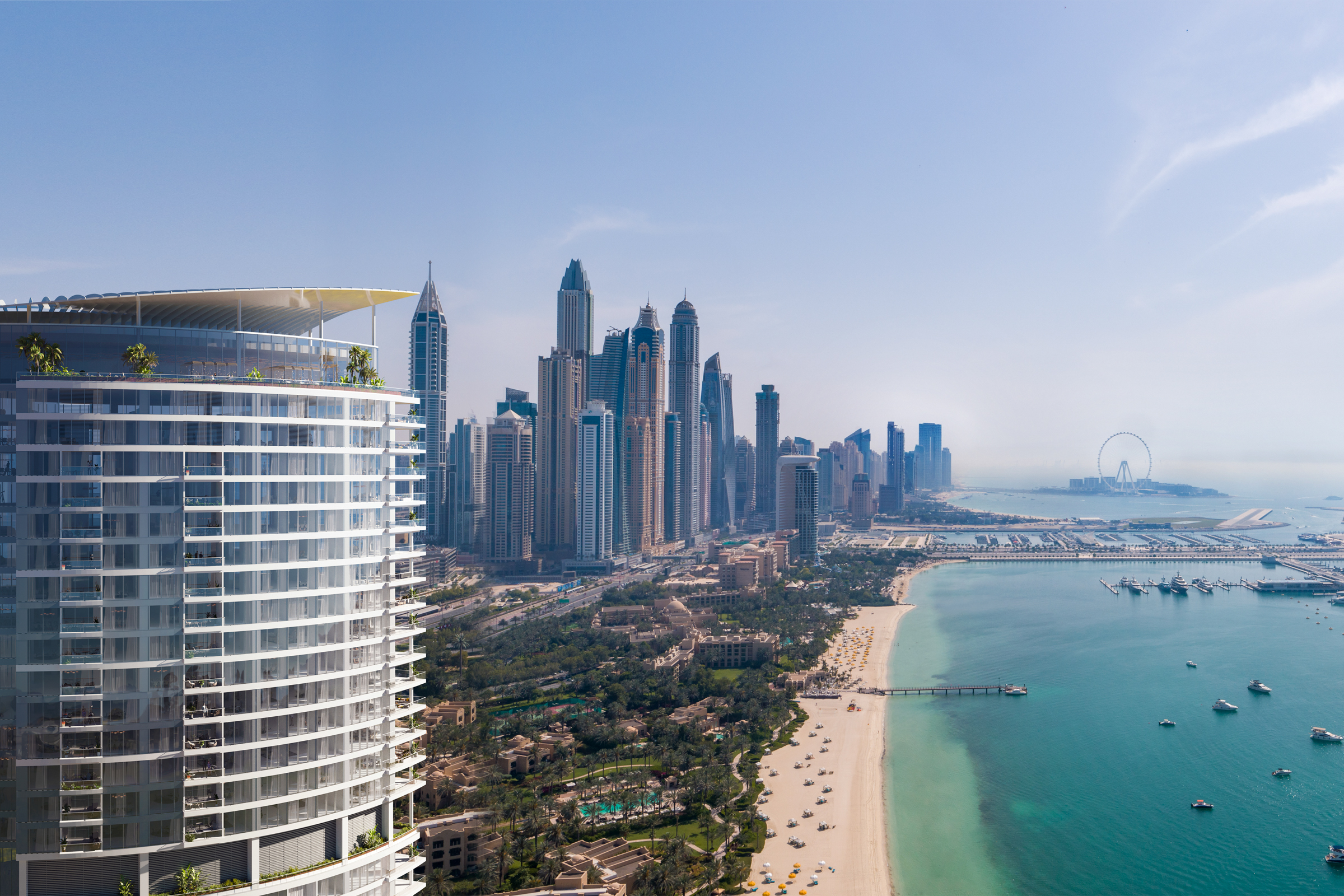
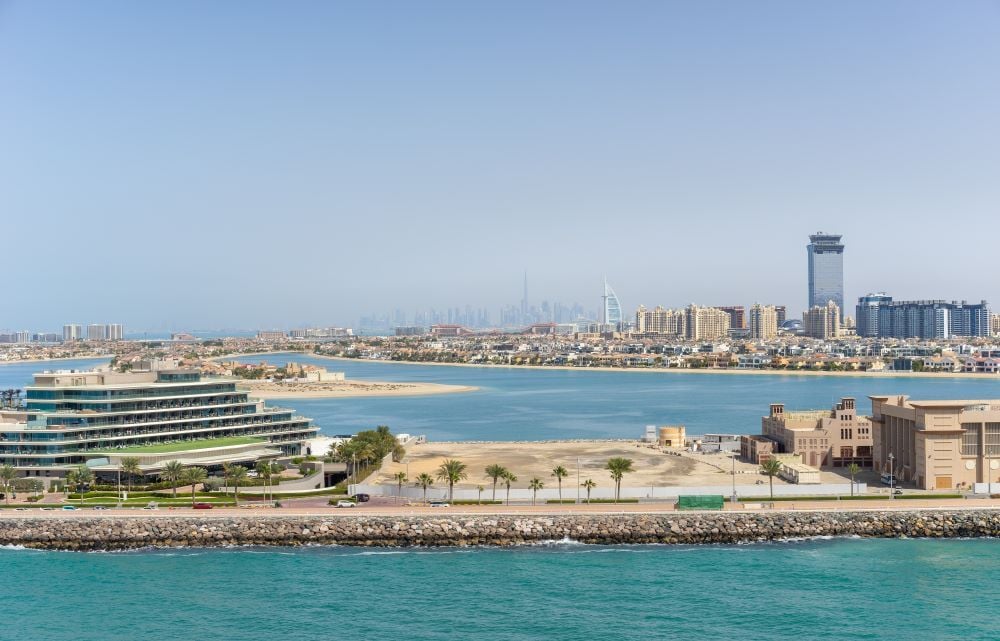
Palm Jumeirah is another prime example of this rising trend. In November 2025, a plot spanning over one million square feet sold for AED 1.86 billion at AED 1,823 per square foot, in what was one of the largest land deals the market had seen that year. A few weeks earlier, a far smaller but equally significant sale made its own kind of record: a 13,579-square-foot Palm Jumeirah plot changed hands for AED 88 million, setting the highest price per square foot for a land transaction in 2025. The deal, which closed within a week of initial engagement, underlined just how competitive and liquid this segment has become.
These are not outliers. Over 7,700 plots were sold across Dubai in the first 100 days of 2025 alone, reflecting sustained demand for land despite a tightening inventory. One plot on Palm Jumeirah set a new record for the most expensive on the island at that time at AED 365 million, purchased by a developer with an explicit brief to build bespoke high-end residences. These transactions carry a distinct message: for the most sophisticated buyers, the absence of a finished product is an advantage and an opportunity.
Institutional Confidence in the Land Itself
The residential land trend is not confined to ultra-prime individual buyers. Institutional capital is making the same statement at scale. A notable AED 1.5 billion land transaction in Palm Deira in May 2025 underscored institutional confidence in Dubai's long-term growth trajectory, given that the master-planned coastal district is still years from completion. At that investment horizon, the buyer is not purchasing access to amenities that already exist. They are purchasing a position in a city they believe will continue to grow in stature, population, and value.
That belief is grounded in fundamentals. The investor base in Dubai's real estate market expanded to around 193,100 participants in 2025, a 24 per cent increase year on year, including 129,600 new investors entering the market for the first time. A city that draws that volume of new capital year after year, across a fifth consecutive record-breaking year is far from a speculative bet.
Why Land, Why Now
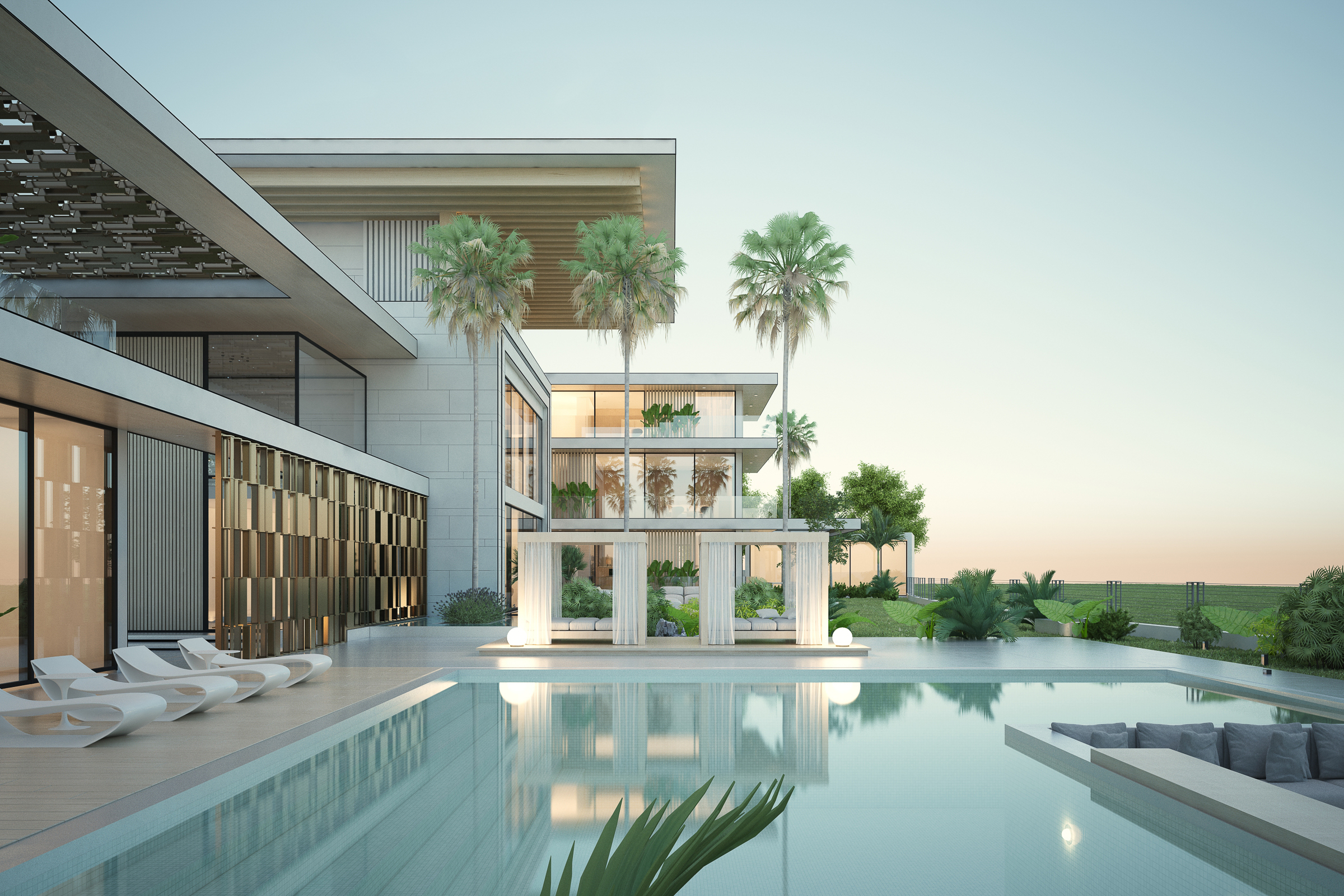
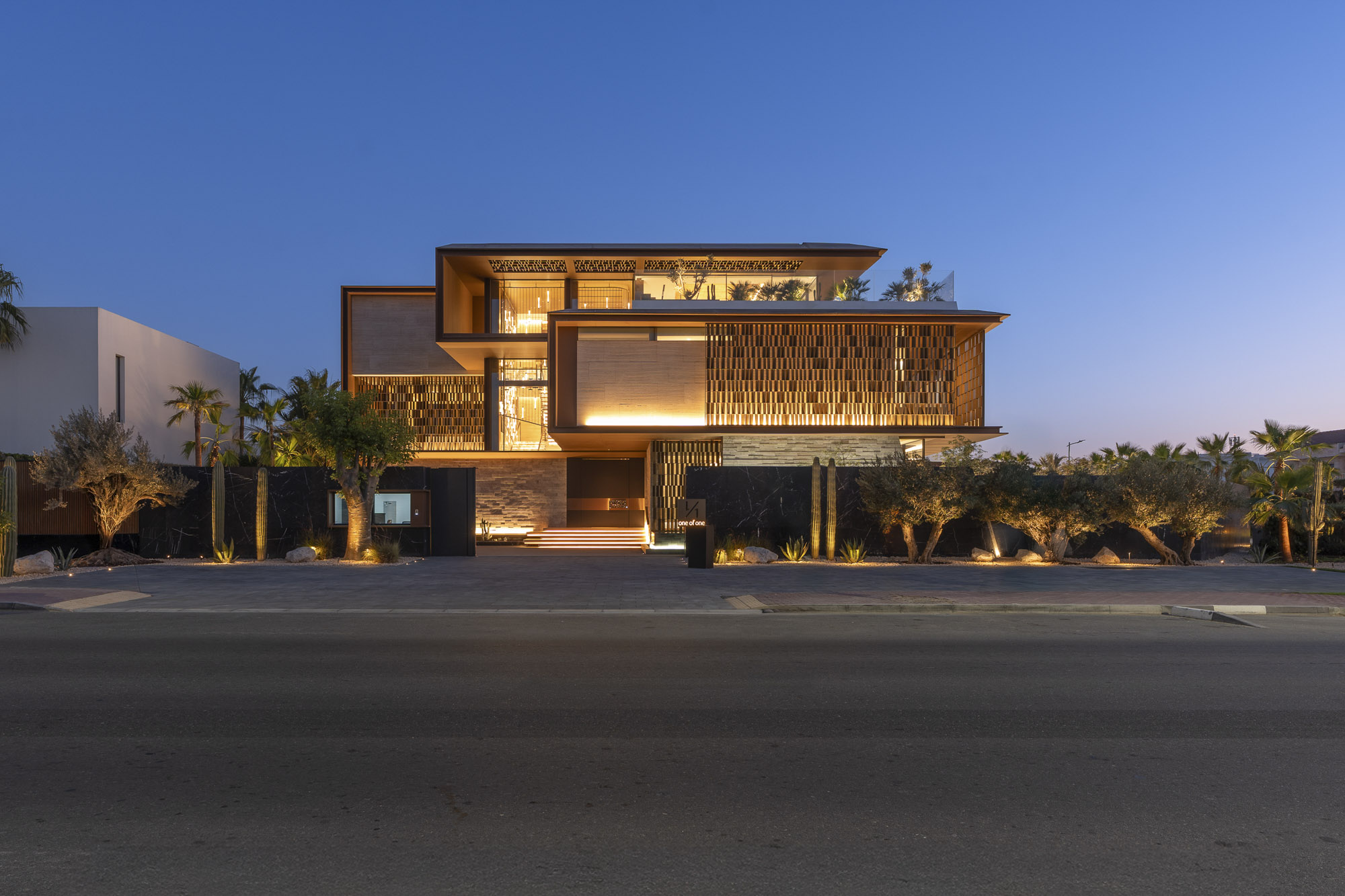
The shift towards residential land investment reflects a maturing market in which buyers are moving beyond the standardised and towards the bespoke. Demand for plots on Palm Jumeirah has been driven by investors and homeowners seeking the opportunity to develop bespoke luxury villas aligned with personal lifestyle requirements and long-term investment strategies. A turnkey apartment, however well-finished, is a product designed for a demographic. A plot of land is a blank page. For wealthy families, global entrepreneurs, and long-horizon investors, that distinction matters enormously.
Analysts describe this trend as part of a wider flight to quality, with investors preferring prime, buildable plots offering custom-villa potential, sea views, and long-term capital preservation over more commoditised stock. It is a sentiment that reflects deep confidence in Dubai and its future, opting for capital commitment for a longer term than the promise of a quick return.
The Infrastructure of Permanence
What underpins this confidence is not simply market momentum, but the deliberate architecture of a city designed to endure. Dubai's regulatory environment, its Golden Visa framework linking residency to property ownership, its absence of income and capital gains tax, and its expanding infrastructure pipeline all contribute to a picture of a city in which long-term ownership carries structural advantages. The Dubai Land Department's investor pathway for the 10-year Golden Visa links eligibility to property value, aligning ownership and residency in a way that continues to shape the investment equation for international buyers seeking not just returns, but roots.
The city is also growing into its own demand. Dubai added over 100,000 new residents in a single year during the most recent surge, while around 50,000 residential units were handed over. This gap has consistently supported absorption even as supply increases. For land investors, that demographic trajectory is what drives their decisions.
Beyond the Cycle
What the land sale data ultimately reflects is a market that has moved beyond the cycle-dependent thinking of earlier eras. Buyers of residential plots are not watching quarterly price indices or timing the market. They are underwriting a long-term vision of what Dubai will become: a city whose physical geography is still being written, whose population is still arriving, and whose best neighbourhoods are, in many cases, still being built.
Dubai's real estate market has entered what the Dubai Land Department itself describes as "a more advanced and mature phase, capable of converting investor confidence into stable and sustainable value." Those buying land rather than homes are drawn to that maturity. They are looking for a city that is here to stay, and they are planting their flag in the ground itself.