Published: 16 July 2026
Set on the Gulf coast, with Europe, Asia and Africa all within easy reach, Dubai has become a natural base for people whose lives and work move across borders. For those considering a move, Dubai’s appeal now reaches well beyond the skyline, hotels and restaurants, although they often make the first impression. The more lasting draw is practical and, increasingly, strategic. It offers a secure address, a favourable tax position and long-term residency options, while placing strong schools, private healthcare, household support and global travel within easy reach. For internationally mobile families, Dubai can work as both home and operating base, with business, travel and daily life sitting unusually close together.
The city is large, ambitious and highly serviced, yet it can be surprisingly straightforward once its systems are understood. English is widely used, public services are increasingly digital, and many neighbourhoods are arranged around ordinary routines like supermarkets, clinics, nurseries, gyms, parks and cafés within a short drive. For newcomers, this gives Dubai a certain ease.
Laying the Groundwork
Dubai is a city that rewards preparation. Its administrative systems are built around speed, but that speed depends on having the right documents in place from the beginning. For expatriates, the residence visa is the starting point, as it shapes almost everything that follows, from the Emirates ID and banking to tenancy, school registration and medical insurance.
Most foreign residents arrive through employment, family sponsorship, business ownership or investment. Others qualify through longer-term residence routes, including the Green Visa and Golden Visa, where the conditions are met.
For anyone planning a serious move, the visa route should be settled early. In Dubai, legal status is the quiet framework beneath everyday life, and once residency is in place, the rest of the city begins to open up. Banking, housing, schooling, healthcare and household arrangements all become easier to organise when the visa and Emirates ID are properly in hand.
A Home That Earns Its Address
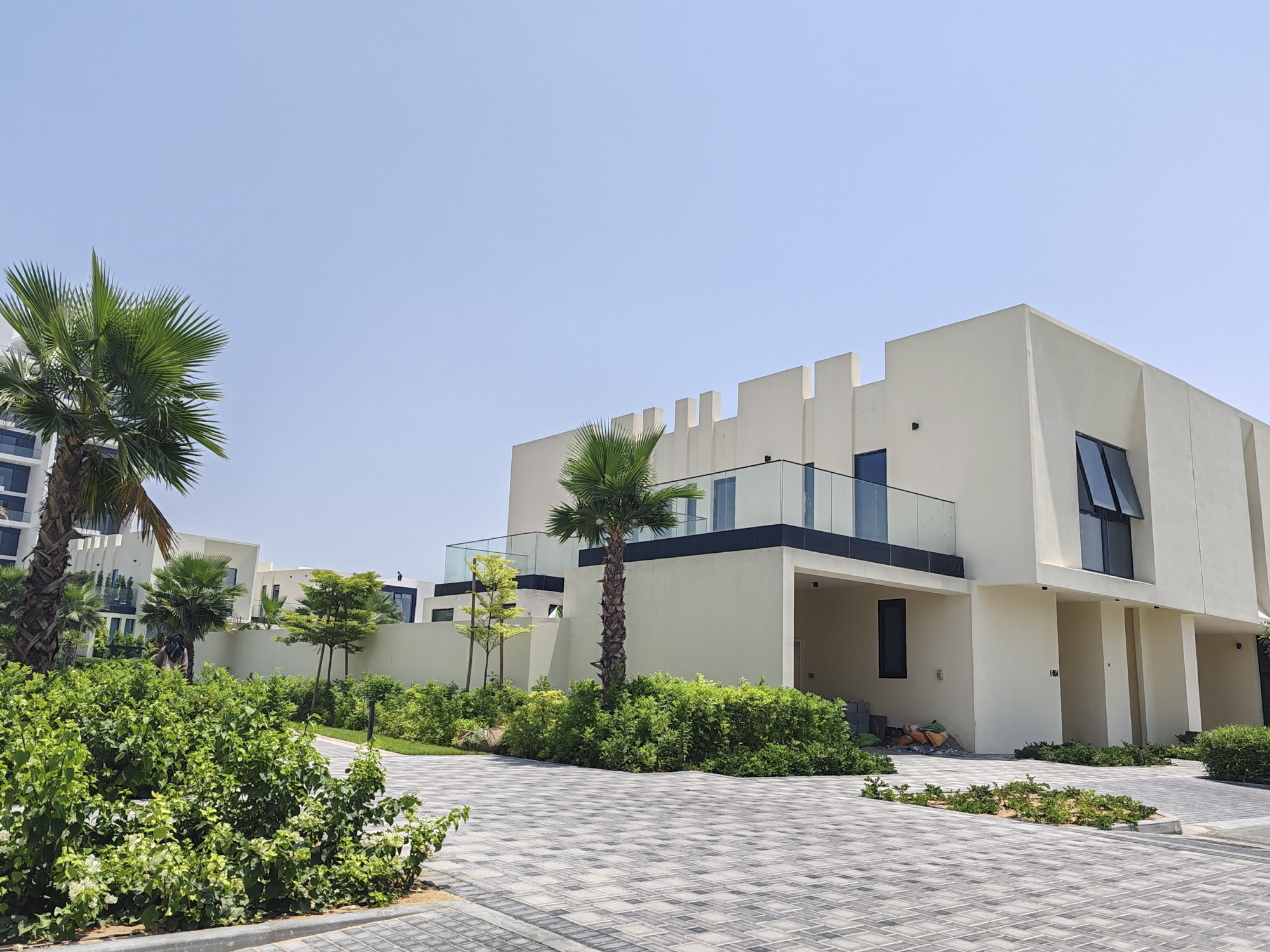
Housing is usually where life in Dubai begins to take shape. The choice of address is not only about space, views or a well-cut tower profile; it is about how the week will actually run. For some residents, that means a central circuit close to DIFC, Downtown Dubai or Business Bay, where offices, hotels and evening plans sit within easy reach. For others, particularly families, it means a villa community where the school route, driver access and weekend rhythm feel more settled.
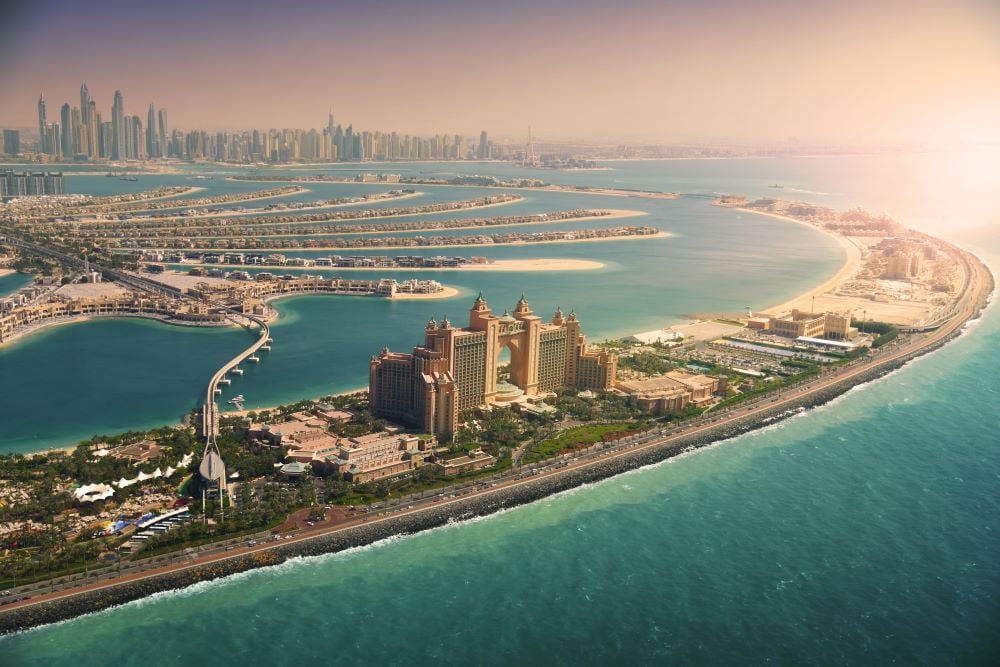
Prestige matters in Dubai, of course, but it rarely tells the whole story. Downtown Dubai offers the pull of a central address, although traffic and rent need to be weighed carefully. Dubai Marina, Jumeirah Beach Residence and Palm Jumeirah bring a more coastal, apartment-led mood, with beach access and a livelier daily pace. Further inland, Dubai Hills Estate, Arabian Ranches, Al Barari, The Meadows and Tilal Al Ghaf tend to suit those looking for larger homes, quieter roads and a more residential pattern.
The figures move quickly in the city’s prime districts. Emirates Hills villas commonly start from around AED 1.25 million a year and can rise beyond AED 3 million for larger homes, while Palm Jumeirah villas often sit well above AED 1.4 million annually, with new rentals averaging closer to AED 2.9 million. A serviced residence close to DIFC or Downtown Dubai brings a different kind of expense, usually trading garden space for proximity, hotel-level service and a shorter working day.
The practical framework matters too. Tenancy contracts are registered through Ejari, which supports the official rental record and connects with services such as DEWA. At renewal, the Dubai Land Department Rental Index gives both tenant and landlord a formal reference for rental values and permitted increases. In a fast-moving market, that kind of clarity is no small thing.
The Shape of Daily Life
For families, Dubai’s lifestyle is often arranged around schooling first. The school run, more than the brochure image of the villa or the skyline view, can quietly decide where a household settles. Schools such as GEMS School of Research and Innovation, North London Collegiate School Dubai, Swiss International Scientific School in Dubai, Repton Dubai and King’s School Al Barsha give a sense of how developed the city’s private education offer has become, with senior fees at leading campuses commonly moving beyond AED 100,000 a year and, in the case of GEMS School of Research and Innovation, reaching around AED 206,000.
The figures, though, only tell part of the story. These schools are valued for the wider life they provide: strong academic pathways, university preparation, sport, performing arts, languages, technology, boarding options in some cases, and the pastoral structure that families increasingly expect. At this level, education is not simply another household cost. It shapes the address, the morning routine and, often, the friendships and activities around which family life quietly gathers.
Healthcare is another part of the city’s well-served daily structure. Premium insurance is usually considered with some care, particularly where families want broad hospital access, international cover or treatment options outside the UAE. Bupa Global, Cigna Global, Allianz Care and GIG Gulf are among the names often considered by globally mobile residents, while hospitals such as King’s College Hospital Dubai, American Hospital Dubai and Emirates Hospital give the city a reassuring private healthcare base.
The City at Your Service
Dubai’s social life is built around access. Dinner might mean a table at Trèsind Studio or FZN by Björn Frantzén, both part of the city’s three-Michelin-star conversation, or a more dressed-up evening at Atlantis The Royal, where restaurants, lounges and beach clubs can turn the hotel itself into a full night out. The same logic carries through to Jumeirah Marsa Al Arab and the city’s grand resort addresses, where lunch, spa appointments, beach access and private dining can sit comfortably within the same afternoon.
There is also a clubbier side to the city. The Arts Club Dubai in DIFC gives residents a private members’ setting shaped around dining, art and business, while Capital Club Dubai serves a more commercial rhythm of meetings, private rooms and carefully managed introductions. Sport, at this level, is rarely casual. Emirates Golf Club, Dubai Creek Golf & Yacht Club and Dubai Hills Golf Club give golf a strong place in the city’s social calendar, while Dubai Polo & Equestrian Club and Al Habtoor Polo Club bring riding, polo and winter-season hospitality into the same world of family weekends and private entertaining.
For more theatrical outings, Dubai has its own particular range. Skydive Dubai offers the Palm drop zone, helicopter tours give a quick aerial view of the coastline and skyline, and hot-air balloon flights over the desert remain one of the city’s more memorable early-morning experiences. Families can also fold in IMG Worlds of Adventure, Motiongate Dubai and Dubai Parks and Resorts, though these work best as occasional set pieces rather than the centre of daily life.
What makes Dubai particular, however, is not only where residents go out, but how much can be brought to them. Petrol can be delivered to the car, groceries to the villa, chefs to the kitchen, beauty treatments to the dressing room and a driver to the door. It is a city where convenience has become part and parcel of the lifestyle itself. For those who use it well, the attraction lies not only in the luxury of having almost everything brought to the doorstep, but in the time saved.
Getting Around
Dubai is built for movement. Its roads are wide, its districts are deliberately planned, and, for many residents, daily transport still centres on the private car. In the city’s more rarefied residential circles, that often means a driver, a high-end car service or a carefully managed household schedule rather than a daily negotiation with public transport. The Metro, tram, buses and marine transport remain useful parts of the wider network — particularly for staff, visitors and residents living close to stations — but the city’s affluent rhythm is still largely shaped by cars, chauffeurs and door-to-door convenience.
This is not to say the public network is incidental. The Dubai Metro has become one of the city’s most recognisable pieces of infrastructure, and autonomous mobility is now part of the next chapter. Driverless taxis are beginning to appear in limited Dubai districts through ride-hailing platforms, while the city’s air-taxi plans, developed with Joby Aviation, are aimed at launching electric flying taxi services in 2026, initially linking key points such as the airport, Palm Jumeirah, Downtown Dubai and Dubai Marina. It sounds futuristic, but in Dubai – rather neatly – the future often arrives with a booking system and a valet lane.
Final Thought
Alongside the world-class schools, advanced healthcare, high-end housing and polished lifestyle, Dubai’s sense of safety is one of the reasons the city feels unusually easy to trust at almost any hour of the day. It is perhaps the part of its appeal that residents speak about most naturally. The city has a visible security culture, 24-hour services and a strong official system for lost property, including lost-item certificates and found-item services through Dubai Police Smart Police Stations. Many residents will tell some version of the same story: a phone left in a taxi, a handbag forgotten in a hotel lobby, a wallet misplaced in a mall – and, more often than not, the item comes back. That sense of order is not a small luxury.