Published: 16 June 2026
By late September, Port Hercule becomes Monaco’s grand rendezvous spot. Between the old rhythm of La Condamine and the polish of Monte Carlo, the superyacht world gathers along the quays, with yachts held in the water where they belong. The Monaco Yacht Show 2026 returns from 23 to 26 September for its 35th anniversary, extending a story that began here in 1991.
For four days, the port becomes a Riviera salon in the open air, where shipyards, brokers, designers, owners and private advisers meet around yachts shown afloat. In a principality of just over two square kilometres, the numbers are quietly startling: more than 120 superyachts, around 60 luxury tenders and an average fleet length of 50 metres gathered at Port Hercule.
The Setting Of Port Hercule
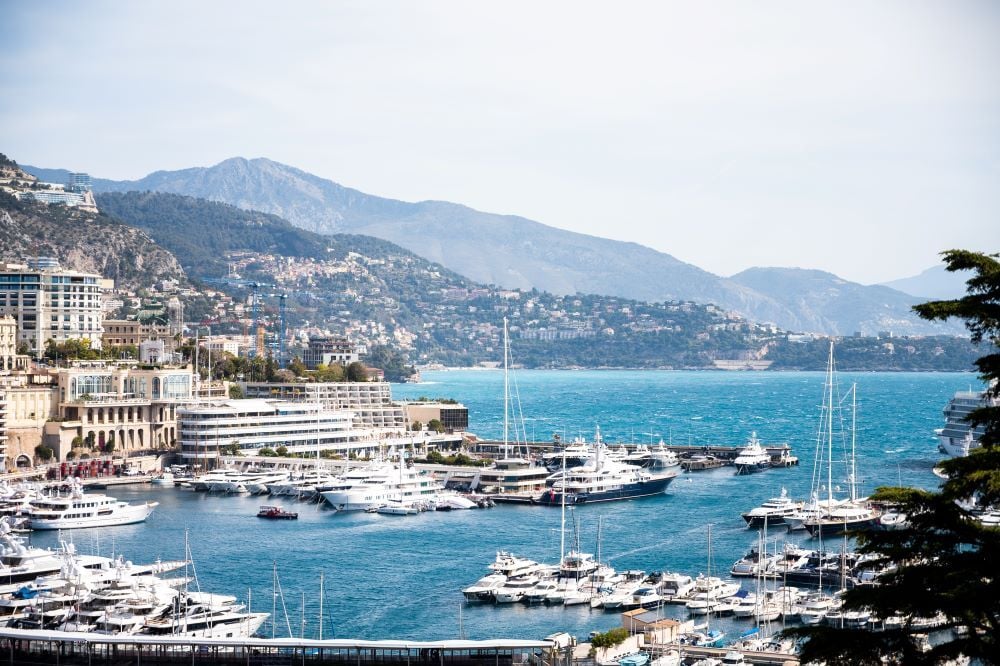
Port Hercule gives the Monaco Yacht Show its sense of place before a visitor steps on board. A historic port de plaisance in La Condamine, it is compact, deep-water and unmistakably Monegasque, with the Rock, Belle Époque façades and apartment terraces rising close enough to make the harbour feel almost enclosed.
Here, the fleet is shown afloat, stern-to along the quays, close enough for its scale and detailing to be properly understood. The Mediterranean is not simply a view. It helps reveal how a yacht sits on the water, how her decks open to the sea and how her proportions hold under the Riviera light.
The figures are impressive, but Port Hercule turns them into something more tangible. Buyers can study volume, finish, circulation and the relationship between deck, salon and sea at close range. Charter clients can begin to imagine a season on board. For shipyards, naval architects and designers, the quay becomes a demanding salon, where ambition is judged not only by length, but by proportion, restraint and the ease with which life at sea appears to unfold.
A Harbour With A Longer Memory
Port Hercule may look made for the superyacht age, but its maritime story reaches much further back. The bay was used as a trading port by the Greeks and Romans, long before Monaco became a byword for modern yachting. In the early 2000s, a vast semi-floating sea wall was installed at the foot of the Rock to help protect the harbour from eastern swells, a piece of quiet infrastructure that allows the port to receive vessels on a scale that would otherwise feel improbable in such a small principality.
That is part of the pleasure of Monaco during the show. Beneath the gloss of the decks and the choreography of private viewings sits an older and more practical harbour shaped by trade, geography and engineering. Today, it serves as one of the most refined gatherings in the yachting world.
The Yacht As A Private Maison
The most compelling yachts today take their cues as much from architecture, couture and private residences as from naval tradition. Their interiors have become quieter and more exacting, with less appetite for gloss and more interest in proportion, tactility and the grace of a room that works beautifully at sea.
This is where the new art de vivre of superyachting is most visible. Open-plan salons, private terraces, cinema rooms, wellness suites and art-led interiors now give the modern yacht a more residential character, designed for longer journeys and for owners who want the sea to feel less like an escape and more like a second address.
The craft sits in details such as the curve of a staircase, the weight of a hand-finished surface, the fall of light across timber or stone, and a horizon held neatly in the frame. It is a savoir-faire that reflects how a room feels once the sea is moving beyond the glass.
In Monaco, that change feels entirely at home. The superyacht has become a private maison on water where it is highly serviced, technically advanced and composed with the same care one might expect from a great residence on the Riviera.
The Industry Behind The Harbour
The Monaco Yacht Show draws much of its authority from what sits beyond the fleet. Across Port Hercule, more than 560 exhibitors and specialist professionals bring together the deep-rooted expertise of superyachting, from construction and design to brokerage, refit, management and charter.
For a prospective owner, the week can move quickly from admiration to due diligence. A yacht seen along the quay may lead to a conversation about build quality, ownership structure, crew, cruising plans or future resale. The glamour remains, of course, but the real work of the show is more discreet and far more exacting.
Beyond the polished decks and Monegasque hospitality, the show is also where practical decisions begin. A viewing can lead to a discussion about a purchase, a refit, a new build or a future charter season. These conversations tend to be discreet rather than dramatic, shaped by craft, budget, timing and the long-term responsibilities that come with ownership.
The Private Side Of The Show
The Monaco Yacht Show extends well beyond the water. Around the fleet, the Monaco Yacht Summit, Blue Wake and the show’s private appointments give the week its strategic edge, bringing sustainability, ownership, management and future value into the same conversation as design and display.
For buyers, charterers and owners, much of the value lies in access. A good adviser can narrow the field, arrange viewings and look beyond the polished deck towards build quality, ownership history, charter potential and long-term maintenance. The decisions made in Monaco are often practical and concerned with how a yacht will be acquired, operated and enjoyed over time.
Around this sits the wider infrastructure of superyacht ownership, from specialist marine equipment and aviation to concierge services and private-client advice. Together, these services show how life at sea is organised behind the scenes, long after the yacht has left Port Hercule.
Monte Carlo Beyond The Quays
The yacht show also changes the rhythm of Monaco beyond Port Hercule. Once the day’s appointments are finished, the Principality folds naturally into its evening habits, with the Place du Casino, Hôtel de Paris, Café de Paris and the Belle Époque rooms of Casino de Monte Carlo offering the kind of old-world setting that still gives Monte Carlo its charge.
For a more formal evening, Le Louis XV, Alain Ducasse’s three-Michelin-starred restaurant at Hôtel de Paris, remains one of the principality’s defining dining rooms. The Opéra de Monte Carlo, set within the Casino complex, adds another layer to the city’s cultural life, while Larvotto offers a softer counterpoint by the sea.
That is part of Monaco’s appeal during the show. The harbour may hold the yachts, but the wider principality gives the week its after-hours texture: dinner, conversation, music, sea air and the small rituals that turn a business trip into a Riviera séjour.