Published: 8 June 2026
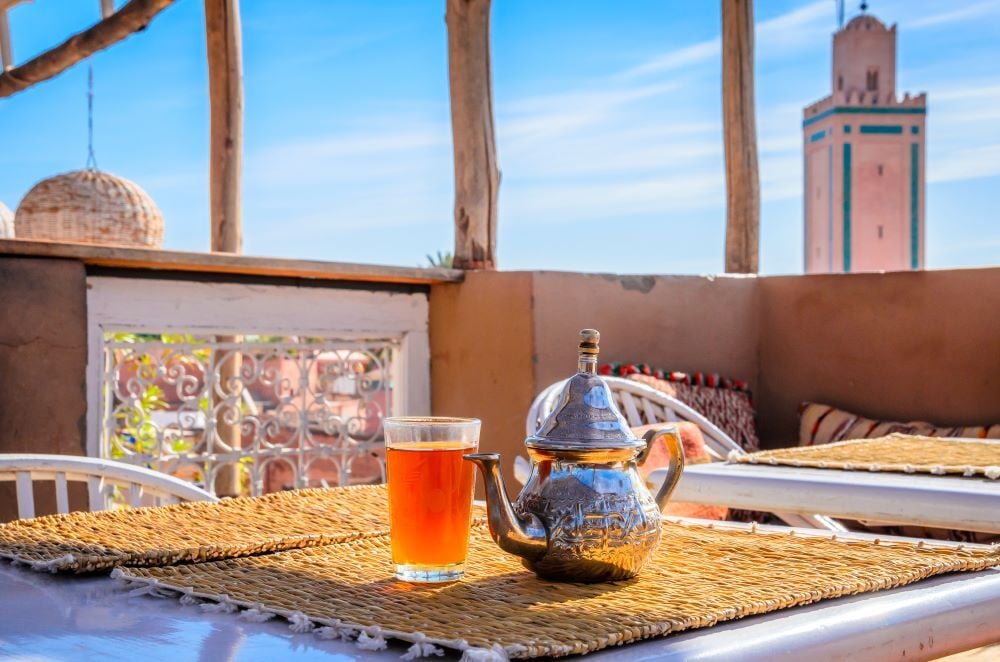
Dubai has a taste for dining rooms with a sense of arrival. Yet Moroccan restaurants bring something more layered to the city’s table. The room matters, of course, but so does the pace of the meal. The pleasure is not only in the setting, but in the ritual: a tagine lifted at the table, couscous served with care, mint tea poured properly, and spices used with a measured hand that don’t overwhelm the palate.
The best Moroccan restaurants in Dubai lean into that sense of occasion without making it feel forced. Some are tucked inside landmark hotels. Others sit in Downtown or along Jumeirah, bringing carved wood, zellige tiles, low lighting, and North African cooking into a more polished city setting.
Menus usually move through the dishes Morocco is known for: harira, pastilla, slow-cooked lamb, saffron chicken, couscous, and sweet pastries served with tea. Some places keep things traditional. Others bring Moroccan flavours into a broader Middle Eastern or Arabesque menu.
Below are five addresses for Moroccan and Moroccan-inspired dining in Dubai, from traditional Jumeirah restaurants to DIFC lounges, central city cafés, and hotel settings built for larger gatherings.
Dar Al Mamounia, Jumeirah 1
Dar Al Mamounia sits on Al Hudaiba Road in Jumeirah 1, away from the hotel lobbies and skyline dining rooms. That is part of its appeal. It feels more local, more traditional, and less concerned with making a grand entrance.
The menu keeps close to the Moroccan table. Harira, chicken pastilla, beef couscous, tanjia, rfissa and tagines all appear, alongside Moroccan breakfast dishes and mint tea. The dishes are familiar in the best way: slow-cooked, generous and built around the comfort of spice, bread and broth.
This is not the most polished address on the list, nor does it need to be. Dar Al Mamounia works because it offers something more grounded: a warm Jumeirah restaurant for breakfast, family meals or an easy dinner when the mood calls for couscous, tea, and the flavours of home.
Choumicha, Jumeirah Beach Road
Choumicha sits on Jumeirah Beach Road in Umm Suqeim 1, and the name carries weight. The restaurant is led by Choumicha Chafay, one of Morocco’s best-known culinary figures. For many diners, that is the reason to book.
The menu reads like a proper Moroccan table. Cold salads, chicken and almond pastilla, briouates, harira, slow-cooked tagines, couscous, rfissa and seffa medfouna all appear. There are sweets too, of course, along with Moroccan tea to finish the meal properly.
What makes Choumicha feel distinct is the care behind the ingredients. The restaurant highlights Taliouine saffron, preserved lemons, amlou with roasted almonds, argan oil, honey, spice blends and Moroccan olive oil. The couscous is steamed three times, and the pastillas are hand-folded. It is a small detail, but it says a great deal.
This is the place for diners who want Moroccan cooking with a recognisable name behind it. Less hotel glamour, more kitchen confidence. A good choice for a long lunch, a family dinner or anyone who wants the food itself to lead the evening.
Mamounia Lounge, DIFC
Mamounia Lounge sits on the podium level of Al Fattan Currency House in DIFC, which already gives it a more grown-up city setting. This is not a small neighbourhood restaurant. It has the feel of an evening address, made for business dinners, late meals, and tables that linger.
The restaurant takes inspiration from La Mamounia in Marrakech, and the reference is clear in the mood. Think Moroccan palace details, soft lighting, patterned interiors and a lounge atmosphere that carries into the night. The menu is not purely Moroccan. It moves between Middle Eastern and Moroccan dishes, with hot mezze, tagines, grills and shisha forming part of the experience.
That makes Mamounia a useful addition to the list, but it needs careful wording. It is best described as a Moroccan-inspired lounge in DIFC rather than a strictly traditional Moroccan restaurant. A good choice for diners who want the feel of Morocco in a more polished, social setting, with dinner that can easily turn into a longer evening.
Berber Dubai, Trade Centre
Berber Dubai sits in Trade Centre, close to Downtown and the Burj Khalifa area. It is easy to reach, but it still feels slightly tucked away. The setting is warm and compact, with North African details that give the room its character.
The menu stays close to Moroccan and Maghrebi comfort food. Couscous, tajines, harira, bastilla, msemen and Moroccan tea are the dishes to look for. Breakfast is part of the appeal too, making it a useful address from morning through to late evening.
The mood is relaxed rather than formal. Some come for a quick meal, others stay longer over tea and something slow-cooked. It is a good choice for diners who want Moroccan flavours in a casual city setting, without losing the sense of warmth that makes the cuisine so inviting.
Al Bahou, Oaks Ibn Battuta Gate Dubai
Al Bahou sits inside Oaks Ibn Battuta Gate Dubai, beneath the hotel’s vast lantern-lit atrium. The scale is the first thing to notice. This is not a small Moroccan dining room, but a hotel setting made for groups, family gatherings and evenings with a sense of occasion.
The venue is best known for larger dining experiences, especially during Ramadan. The hotel’s Grand Iftar is served under the light of a hundred lanterns, with mezze, regional dishes, international plates, ouzi rice, mixed grills, Ramadan drinks and live oud music. It is generous, busy and built around the pleasure of gathering.
Al Bahou works best for those who want atmosphere rather than a strictly Moroccan menu. The mood carries a North African and Arabian warmth, while the food moves more broadly across regional and international dishes. It is a good choice for a hotel-style evening, particularly when the table is large and the setting matters as much as the meal.
Choosing Where to Go
Moroccan dining in Dubai offers several moods. Some places bring the comfort of the family table, with hot bread, harira, couscous and mint tea arriving in a familiar rhythm. Others focus on setting, with lanterns, music, late service and rooms designed for larger gatherings.
Choumicha suits a more considered meal, led by a name closely tied to Moroccan cooking. Dar Al Mamounia brings a warmer, more traditional feel, especially for family dining. Mamounia Lounge carries the experience into DIFC, with a polished evening atmosphere. Berber Dubai works well for something relaxed and central, while Al Bahou is made for occasions where scale and setting matter.
At their best, these restaurants share the same simple idea. Moroccan food invites time. It is built around slow cooking, generous plates and small rituals. The tagine arrives, the tea is poured, and the evening finds its own pace.