Published: 10 September 2026
Across 380 hectares, Jumeirah Park places more than 2,859 villas among parks, sports facilities and two neighbourhood retail centres. For a household with a pet, however, the decisive geography is smaller: the garden gate, the first shaded stretch of road and the route to the community dog park.
Detached homes give dogs several settings for exercise close to home, moving from private outdoor ground to an on-lead walk or the dedicated park. Cats use the neighbourhood differently, but a secure garden and adaptable indoor-outdoor space can make daily care easier. In either case, the individual plot matters as much as the community around it.
Permission remains specific to each setting. Residential streets can be used for on-lead walks, while access to shared parks, lawns and café terraces follows posted or venue-specific rules. The dog park is the community space expressly designated for canine use.
The Dog Park in Daily Use
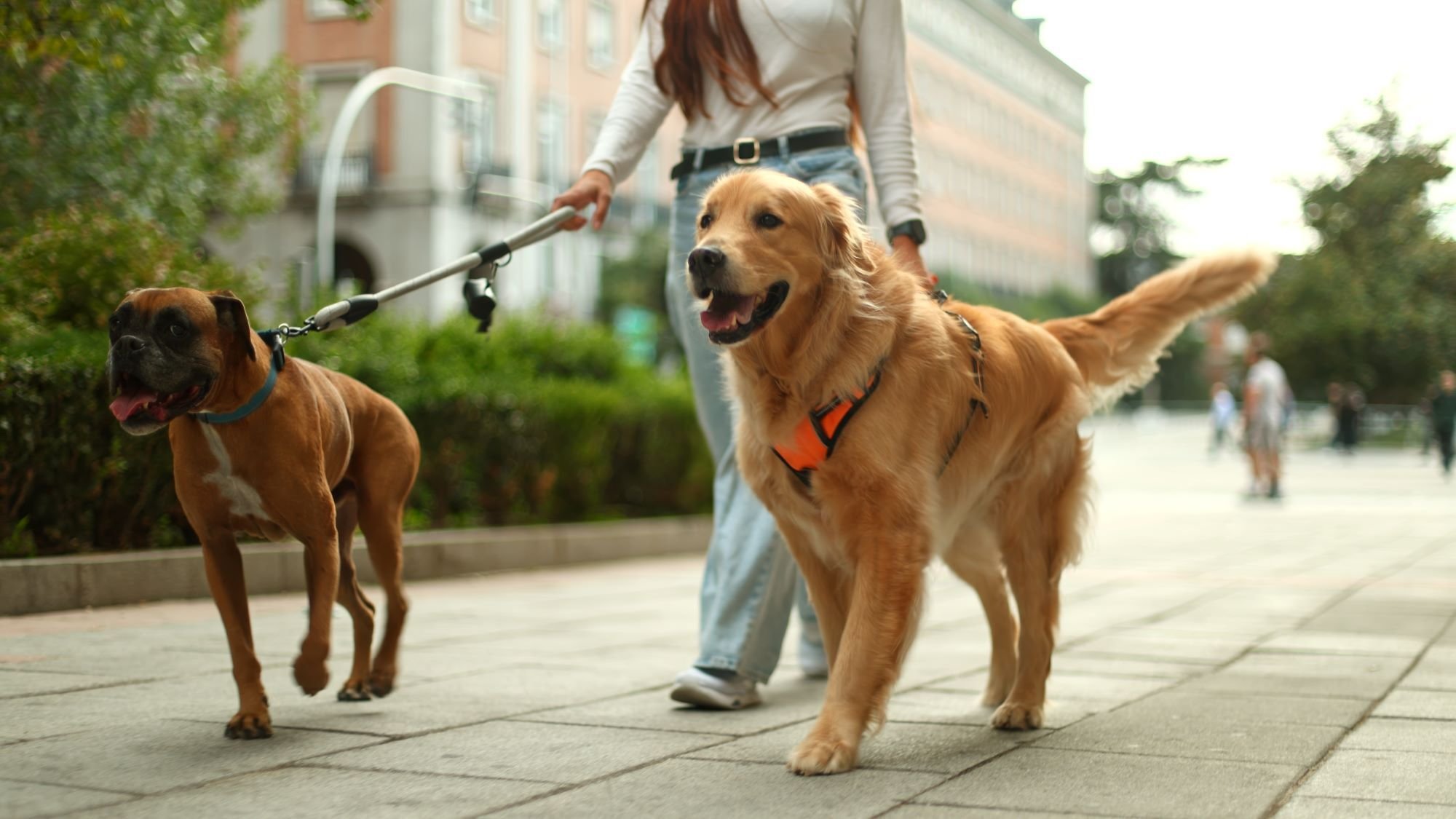
The dog park gives residents a defined destination for exercise away from the road. It also creates a meeting point for dogs accustomed to social contact. For a household considering a move, the route to it can be as relevant as access to a shop, school or community exit.
Community management and the entrance signs provide the current opening hours, access arrangements and rules. These govern admission and off-lead use, while helping owners choose a suitable period for a young, elderly or less sociable animal.
A park visit may provide energetic play, while an on-lead route allows a dog to explore its surroundings at a steadier pace. Using both prevents every outing from following the same pattern.
An early visit can suit a dog that prefers a quieter setting; a busier period brings more social contact. Establishing the pattern soon after moving turns the park into a familiar part of the week.
Walking the Villa Districts
The villas extend along internal streets, with parks, sports facilities and the two retail centres providing recognisable points around the community. Their distribution allows residents to form several walking circuits instead of retracing a single road each day.
UAE law requires dogs to remain on a lead outside designated areas. Signs at shared parks and lawns determine where animals are admitted, keeping those family spaces distinct from the dog park. The residential roads provide the setting for daily on-lead walks.
The right circuit depends on the dog. An active breed may favour a longer loop through quieter streets, while an older animal may need a level route close to home. Road crossings, traffic and shade change from one part of the community to another. Following the proposed walk during a viewing shows how the distance feels in practice.
A villa near Jumeirah Park Centre places the retail hub closer to the route, while a home deeper inside a residential district can provide a calmer start and finish. The useful circuit is one that works before work, after school and when a pet sitter takes responsibility.
Care Close to Home
Jumeirah Park Centre, commonly known as the Pavilion, brings everyday retail into the neighbourhood. Pet’s Delight operates from Shop 7, combining food and accessories with in-store grooming. This places regular coat or nail care within the community.
The branch opens daily from 10am to 10pm. Grooming appointments or the collection of supplies can therefore be fitted around school, work and travel without taking the errand beyond Jumeirah Park.
The shop also helps a household establish a local supply of a prescribed or specialist diet. Recording the product, portion and approved alternative allows family members, household staff and pet sitters to follow consistent instructions. Delivery may handle larger orders, while the branch remains available for replacements and appointments.
When the Garden Becomes a Pet Space
Private gardens are one of Jumeirah Park’s defining residential features. Their value for pets depends on enclosure, shade and the way the house opens onto the plot. A compact, secure garden may serve daily life better than a larger one with an unsecured gate.
Gates, railings, service entrances and utility areas should suit the size and agility of the animal. Where a pool occupies part of the garden, a secure barrier or supervised access can establish a safe routine. Planting and garden treatments should also be suitable for animals.
Shade determines when the outdoor space can be used. A covered terrace or mature planting provides a cooler resting point, supported by fresh water and ready access to the air-conditioned house. A west-facing garden receives more afternoon sun than one protected by the building later in the day.
For cats, opening windows, balconies and roof terraces may require discreet screens. A secure garden enclosure can provide outdoor access while preserving the privacy of the villa. Such measures are easiest to integrate before decoration and landscaping are complete.
A Route for Every Season
From autumn into spring, cooler weather allows longer walks, unhurried visits to the dog park and more time in the garden. During summer, outings move to the early morning and evening, placing greater importance on the streets immediately around the villa.
Pavement temperature, humidity and the animal’s age, coat and breed influence each outing. Recent arrivals may also need time to adjust. During the warmest period, the routine can combine shorter walks with indoor activity, while the garden provides a convenient place for brief supervised breaks. This seasonal shift should inform the choice of home. A shaded entrance, direct garden access and a short route to a convenient walking route can make hot-weather outings easier. An outdoor shower or easy-to-clean utility entrance can simplify the return from a dusty or humid walk.
In Jumeirah Park, the practical advantage for pet-owning households comes from the combination of villa living, private outdoor space and access to the community’s dedicated dog park and landscaped walking areas. These features keep much of a pet’s daily routine close to home. The most suitable address will depend on how closely those features match the household’s routine, particularly the route from the villa to the outdoor spaces used most often.