Published: 2 July 2026
Dubai’s rental market is often treated as one investment field, but in practice it divides into two quite different models. A short-term apartment in Downtown Dubai, let to winter visitors, does not work in the same way as a one-year tenancy in Dubai Marina or a villa leased to a family in Arabian Ranches. The asset may be the same, but the rules, costs, income pattern and daily demands are not.
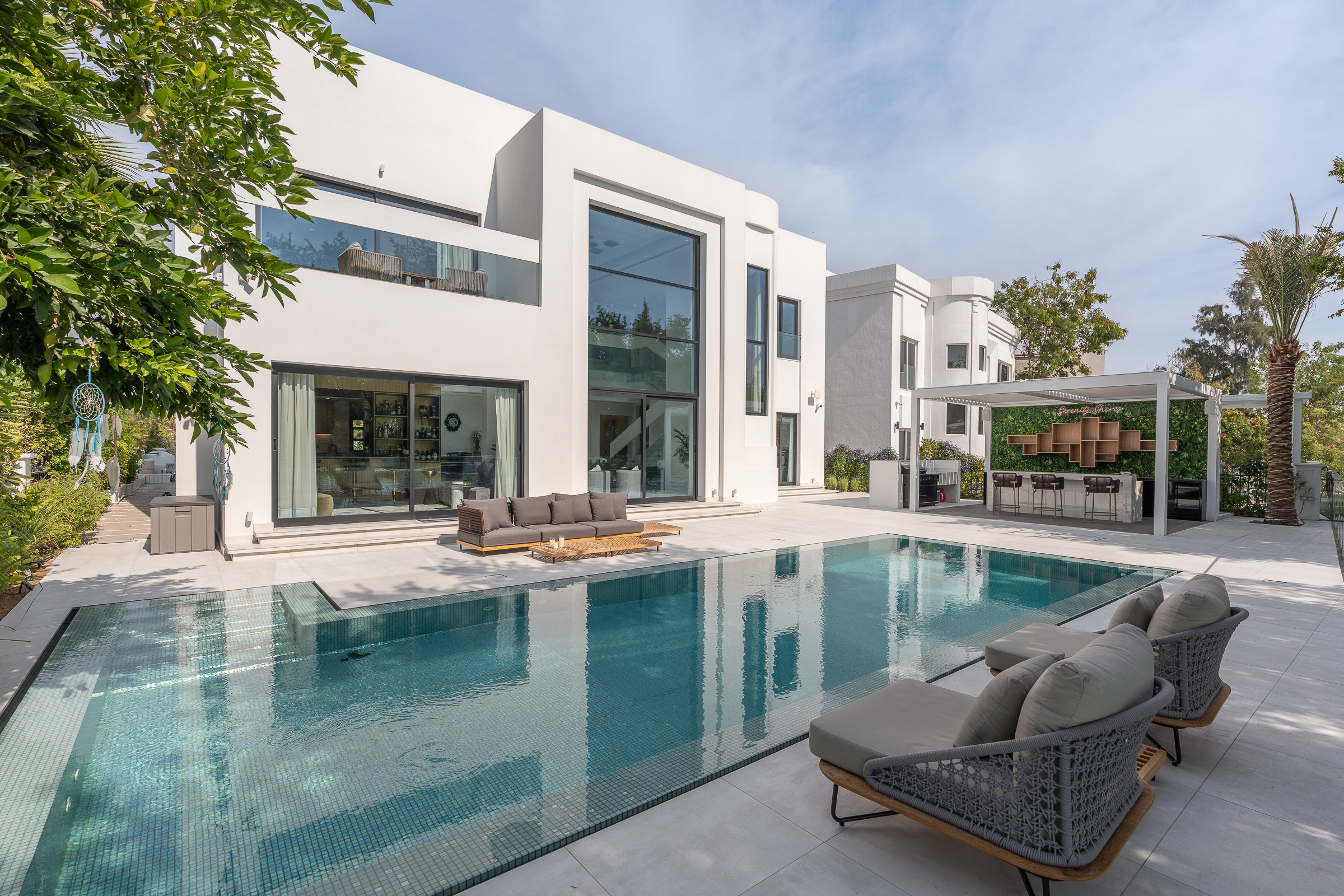
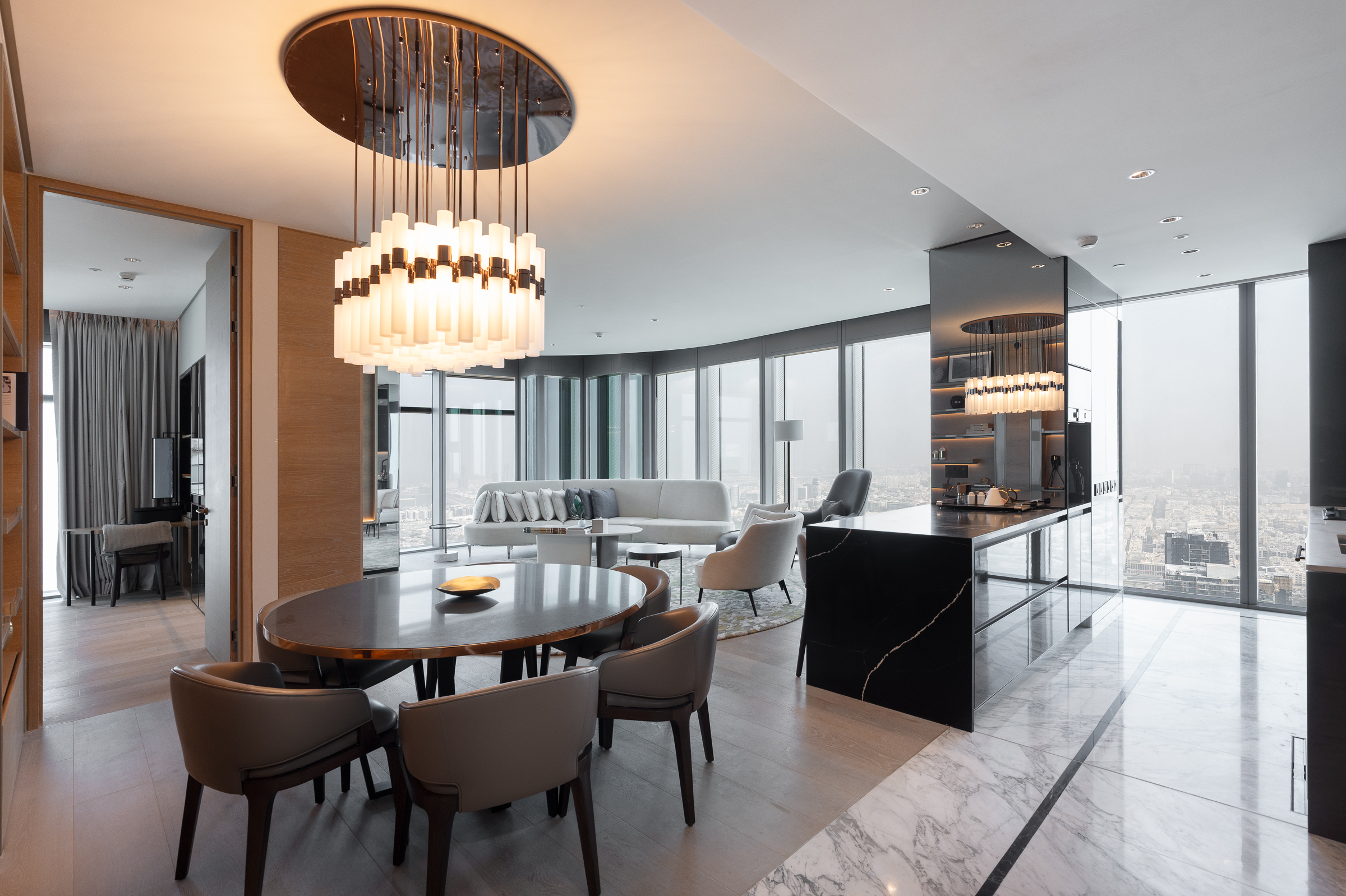
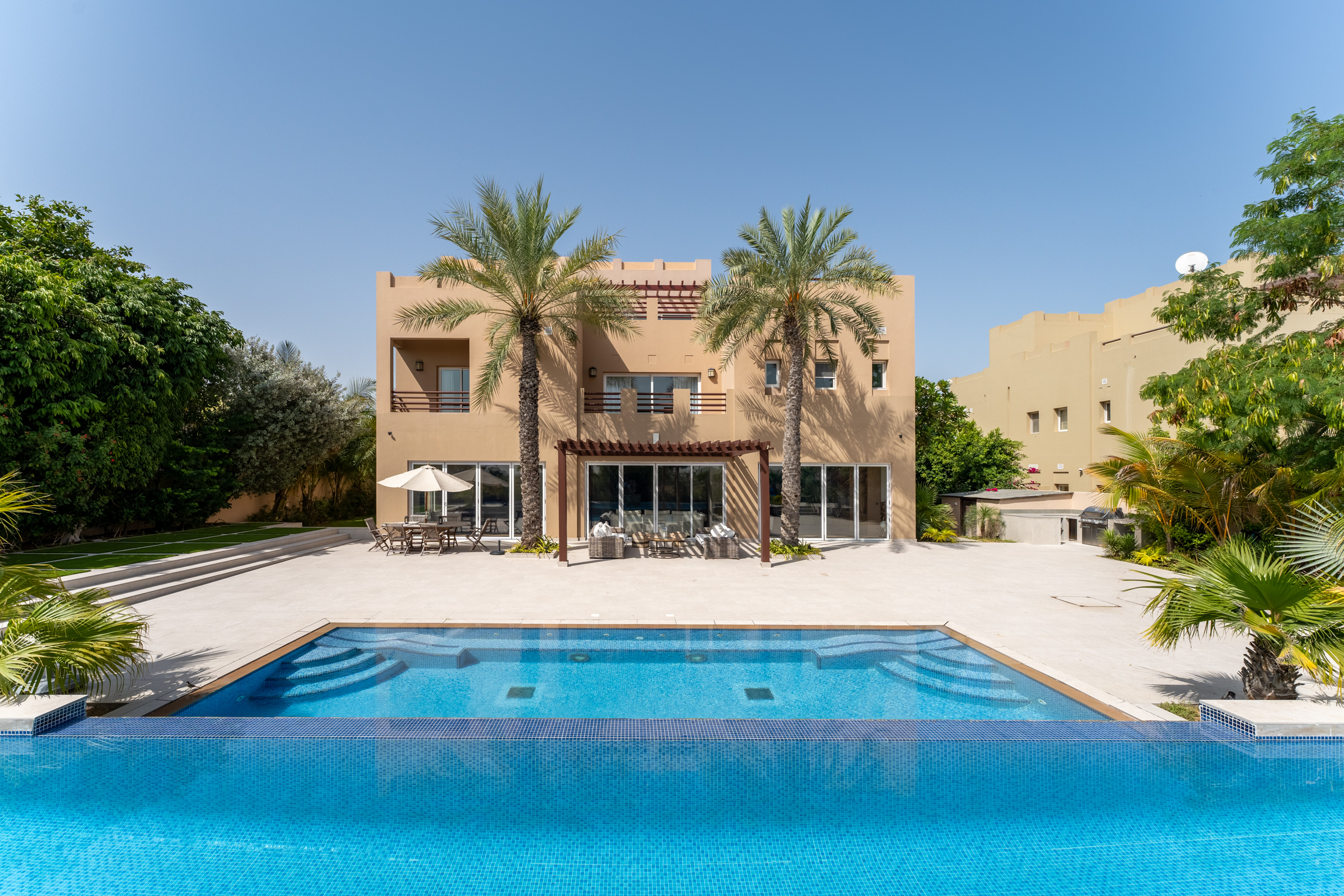
For investors, the question is not simply higher income versus safer income. It is a matter of fit: the property, the location and how hands-on the owner is prepared to be. A small apartment near Dubai Mall may lend itself to guest stays. A family villa in an established community may be better held as a long-term home. Both routes can work well, but they suit different owners.
What Is a Short-Term Rental in Dubai?
A short-term rental in Dubai is usually a furnished holiday home, let by the night, week or month rather than through a standard annual tenancy. It is the model most closely linked with Airbnb-style stays, serviced apartments and visitor-led locations such as Downtown Dubai, Dubai Marina, JBR and Palm Jumeirah.
At its simplest, the appeal is convenience. Guests arriving for a few nights, or even several weeks, expect a property that is ready to use from the moment they step inside. Furniture, kitchenware, linen, Wi-Fi, utilities, cleaning and guest support are all part of the arrangement, handled by the owner or a licensed operator. In that sense, a short-term rental is not just an apartment with a booking calendar attached. It sits closer to a small hospitality product, even when the home is privately owned.
In Dubai, holiday homes are regulated by the Department of Economy and Tourism. Owners or licensed operators need the correct permit before advertising a property for short stays, and the unit must be furnished, equipped and managed to meet guest expectations. That is where the opportunity begins – and where the work begins too.
Where Short-Term Rentals Tend to Work Best
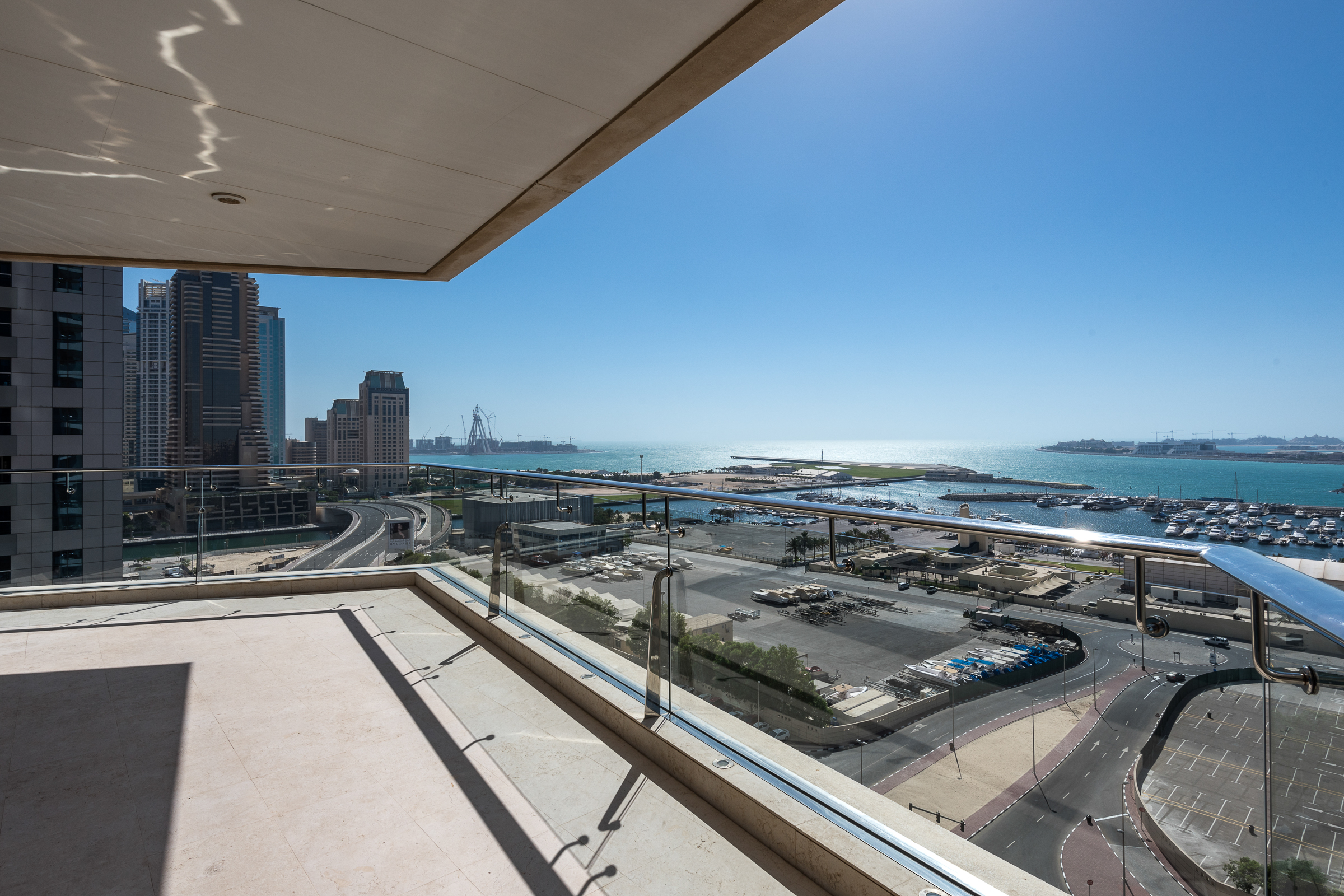
Short-term rentals tend to work best in places guests already recognise. Downtown Dubai is the obvious example. Visitors often know the Burj Khalifa, Dubai Mall and Dubai Fountain before they know the residential towers around them. A well-presented apartment with a view, easy access and hotel-style facilities therefore starts with a clear advantage.
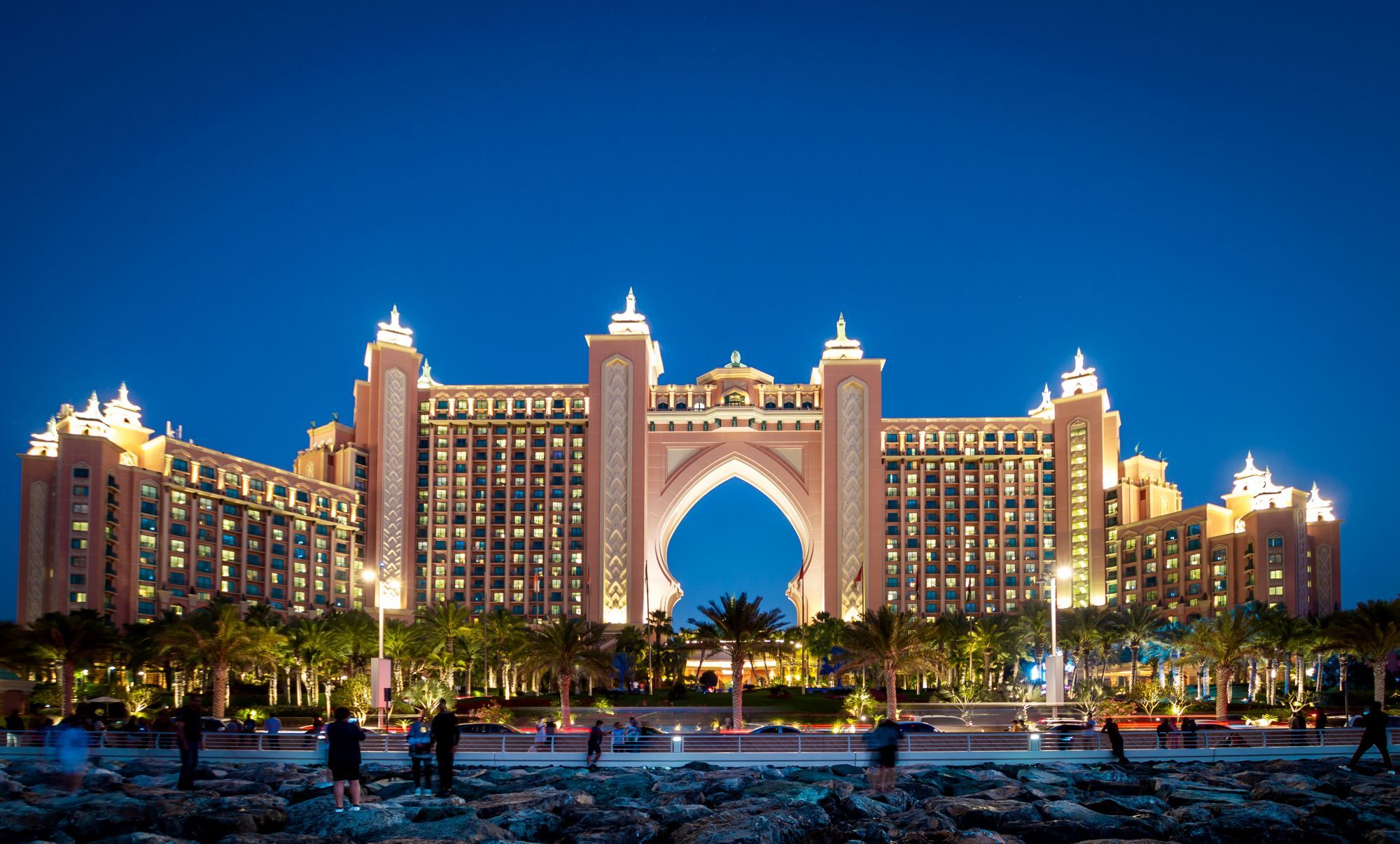
Dubai Marina and JBR work in a different way. They offer the easy rhythm of a holiday stay: beach, restaurants, a walkable waterfront and enough life around the building to make the visit feel straightforward. Palm Jumeirah presents a more family-oriented lifestyle that is supplemented by resort comforts including private beach access, plentiful leisure facilities, and spaces that are designed for larger groups.
The strongest areas are not always the newest or the most expensive. They are the ones where guests can quickly see how the stay will work. When a listing answers the practical questions early – where to eat, how to get around, what view to expect, how close the beach is – it starts on the front foot.
The Financial Character of Short-Term Rentals
The attraction of short-term rentals is clear: in the right location, they can produce stronger gross income than a standard annual lease. During Dubai’s cooler months, nightly rates in areas such as Downtown Dubai, Dubai Marina and Palm Jumeirah can be particularly strong, which is often what draws investors to the model in the first place.
The calculation, however, needs a careful reading. Short-term rentals come with more moving parts. Owners usually cover utilities, internet, furnishing, cleaning, maintenance, guest supplies and platform or operator fees. Where a holiday home is professionally managed, management charges can also take a meaningful share of revenue.
Seasonality matters as well. Dubai’s high season, broadly from autumn through spring, can perform well, while the hotter summer months often require sharper pricing and more active management. A property that looks impressive on gross revenue may look rather different once occupancy, running costs and quieter periods are properly allowed for.
The strongest short-term rental investors tend to think like hosts as much as landlords. They pay attention to the mattress, the check-in process, the balcony furniture, the photography and the speed of response when something goes wrong. In this market, small details do not stay small for long.
What Is a Long-Term Rental in Dubai?
A long-term rental is the more familiar Dubai tenancy model. It usually runs for 12 months and is registered through Ejari under the Dubai Land Department and RERA framework. Unlike a holiday home, it is not a hospitality product, but a tenant’s home, with a written contract, agreed rent, payment terms and renewal rules.
This is the more settled route. The tenant usually pays the utilities and treats the property as their residence. The landlord still has responsibilities, particularly around maintenance and legal obligations, but the daily workload is much lighter than with a short-term rental.
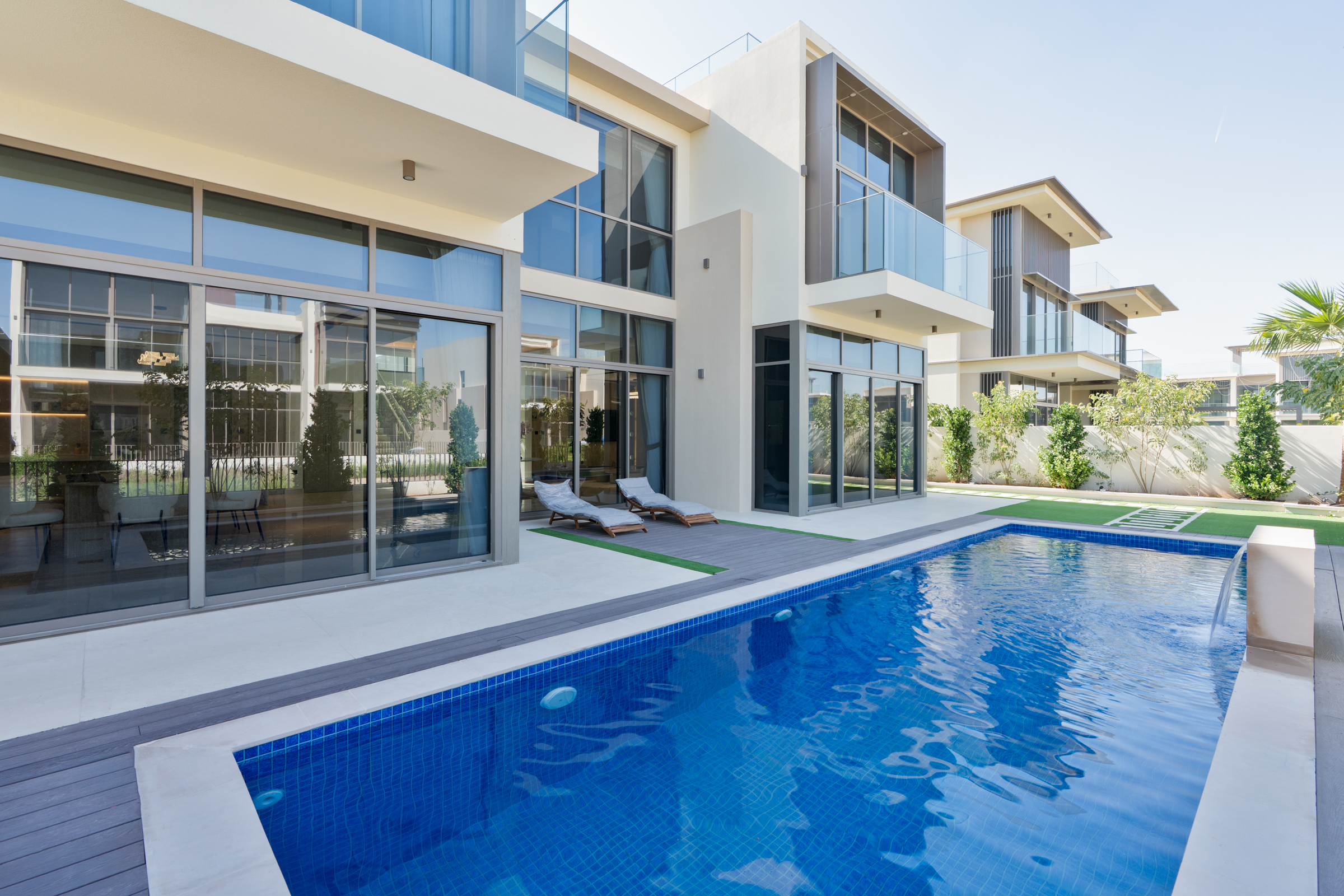
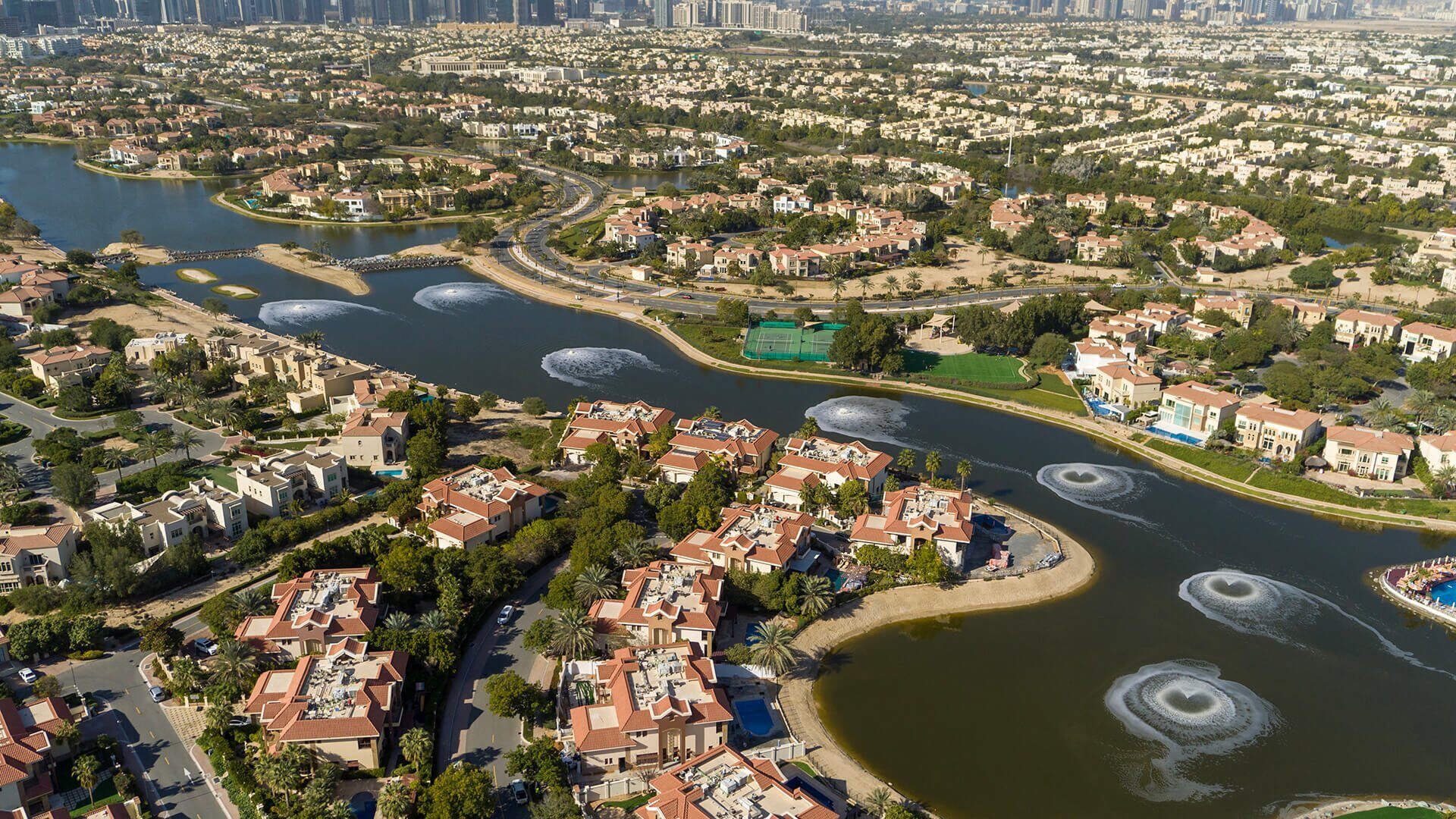
Long-term rentals suit many properties well. Family villas in established communities, larger apartments in residential districts and homes near schools or business hubs often benefit from stable demand. A tenant who stays and renews can be worth more to an owner than a higher headline return built on constant guest turnover.
The Financial Character of Long-Term Rentals
Long-term rentals are less animated than holiday homes, but that is part of their strength. The income is usually more predictable, the property does not need to be reset after every guest, and the tenant generally carries the cost of utilities. Furnishing is optional, depending on the property and target tenant, which can reduce the owner’s initial outlay.
The trade-off is flexibility. Once a tenant is in place, the property sits within Dubai’s tenancy rules. Rent increases are not simply a matter of what the owner would like to charge at renewal; they are guided by the rental index and the relevant notice periods. Eviction is also tightly regulated, particularly where an owner wishes to sell or move into the property.
For some investors, that structure is reassuring. It allows them to plan around steady cheques and fewer operational surprises. For others, especially those who may want to sell vacant or use the property themselves, it can feel restrictive. This is why long-term rental investment is less about quick movement and more about holding the right property for the right tenant profile.
Choosing Between Short-Term and Long-Term Rentals in Dubai
The difference between short-term and long-term rentals is clearest when the same property is judged by use, not just location. A one-bedroom apartment in Downtown Dubai may work well as a holiday home if it has a view, strong furnishings and easy access to the main attractions. The same unit may also suit a long-term tenant working near DIFC or Business Bay. One route asks for hospitality-style management; the other depends on a clear tenancy, reliable maintenance and steady demand.
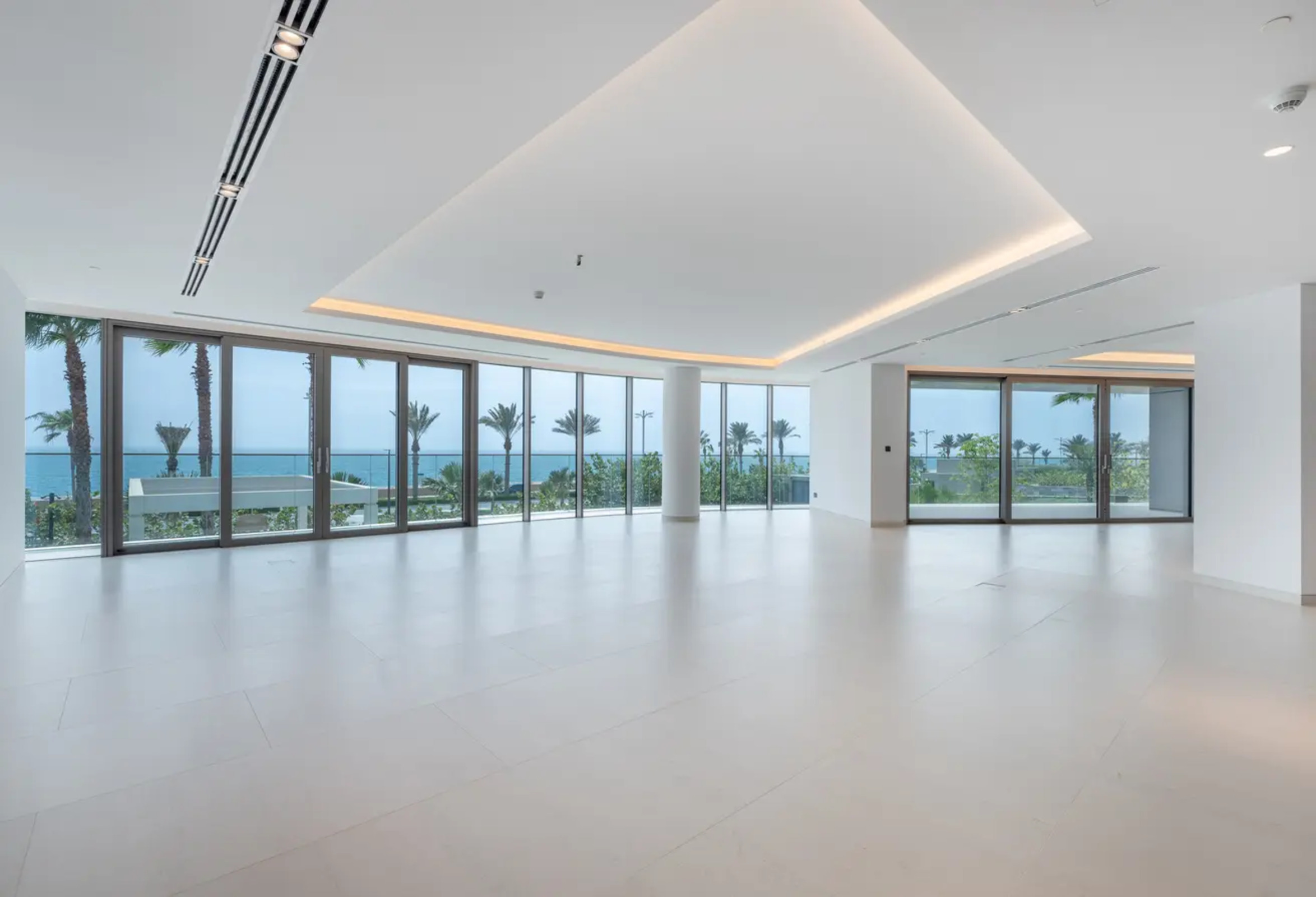
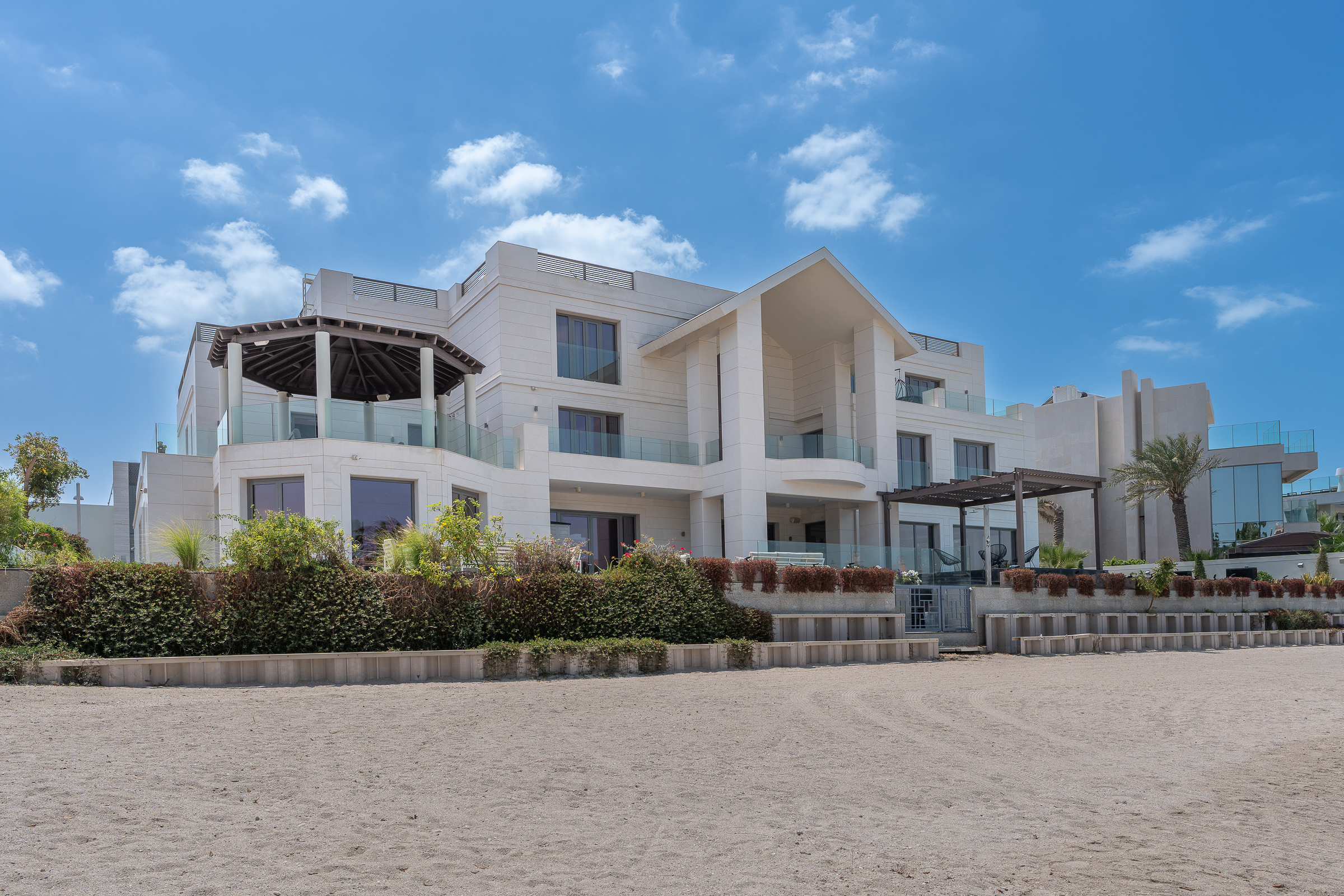
The same applies across the city. A Palm Jumeirah apartment may attract short-stay guests because the address already feels like a holiday, while a larger home on the same island may be better held for a family wanting space, privacy and school access. In Dubai Marina, a compact apartment with a balcony and marina view may suit visitors, while a larger unit in a quieter tower may make more sense as an annual tenancy.
For investors, the sensible starting point is not the headline yield. It is the nature of the asset. Short-term rentals tend to suit owners who are comfortable with movement: furnishing, pricing, guest care, cleaning and seasonal demand. Long-term rentals are better suited to those who prefer steadier income, fewer daily decisions and a tenant who treats the property as a home.
There is no single answer that works across Dubai. The stronger choice usually sits in the details: the view, layout, service charges, furnishing cost, building facilities, likely guest or tenant profile and how much attention the owner is prepared to give after the contract is signed. A property near a landmark or beach may deserve a short-term rental assessment. A villa in a settled residential community may be better served by a long-term tenant. The right model is the one the property can support in real life, not just on paper.