Published: 29 October 2026
On the Strand in London, in a building known as the Exeter Exchange, a bookseller named Samuel Baker held his first auction in March 1744. On offer were several hundred volumes from the library of Sir John Stanley, and the sale raised £826. From that modest beginning grew Sotheby’s. For more than a century the firm dealt chiefly in books; it moved to New Bond Street in 1917, turned increasingly towards pictures and the decorative arts between the wars, and in 1958 introduced the evening sale, the occasion at which its most important works are still offered.
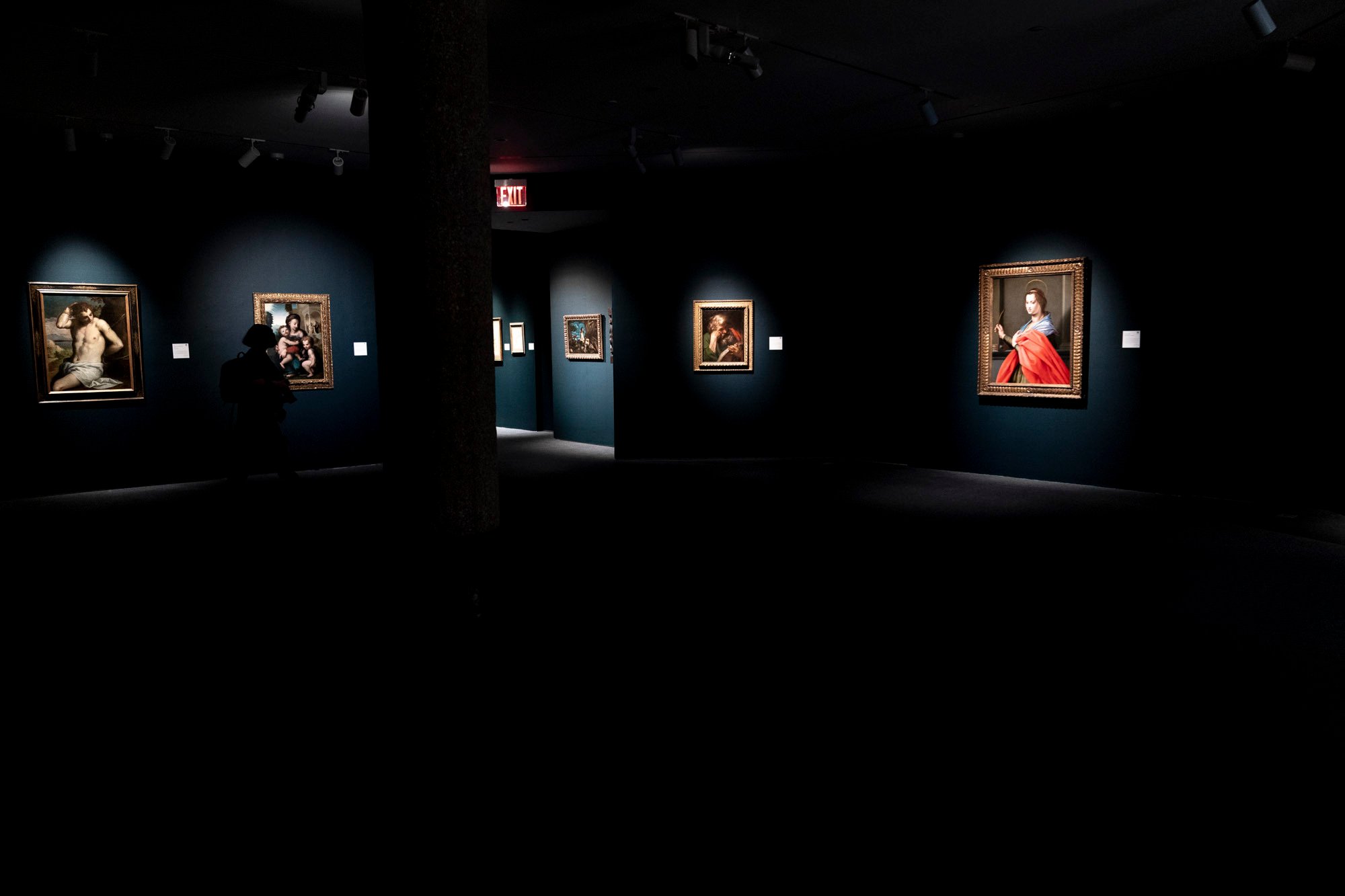
Nearly three centuries on, in November 2025, the house opened its new headquarters in New York, the Breuer Building on Madison Avenue, which Marcel Breuer designed for the Whitney Museum of American Art in 1966. Within a fortnight, it had hosted the most valuable sale in the firm’s history.
The painting at its heart shows a young woman at life size, in a white dress and a floral chiffon shawl, her pose composed and her gaze steady. Around her, a crowd of small figures, scholars, courtiers and soldiers borrowed from Chinese ceramics and Peking opera, drifts across a patterned ground. Gustav Klimt painted Elisabeth Lederer when she was twenty, at the request of her parents, August and Serena Lederer, who were among his most devoted patrons and also his friends. He worked on the canvas between 1914 and 1916.
On the evening of 18 November, six collectors pursued it for some twenty minutes before it realised $236.4 million. No work of art had ever sold for more at Sotheby’s, and no Klimt for more at auction; by the house’s own account, only one work of art has ever achieved a higher price at auction anywhere.
Hers is not the only remarkable story. Several other paintings have reached similar heights at Sotheby’s, and they turn out to share rather more than their prices.
A Remarkable Evening for Klimt
The Lederer portrait was the centrepiece of the collection of Leonard A. Lauder, who had acquired it in 1985, and it had distinguished company. The same night, Klimt’s Blumenwiese (Blooming Meadow), of around 1908, made $86 million, and Forest Slope in Unterach on the Attersee, from 1916, a further $68.3 million. In all, the 24 works from the collection brought $527.5 million, and not a single lot went unsold.
A Portrait Left on the Easel
Two years earlier, Klimt had already set a record in London. Dame mit Fächer (Lady with a Fan) was found on the easel in his Vienna studio after his death in 1918, and it shows a woman in an ornate gown, holding a fan against a background of birds and flowers. When it was offered at Sotheby’s London on 27 June 2023, four clients contested it for ten minutes, in the room and on the telephone, before it sold for £85.3 million.
At the time, that was the highest price ever paid for a work of art at auction in Europe. The painting had not been on the market for thirty years, and Sotheby’s described it, fairly, as the artist’s last great portrait. Between them, the two Klimts show two sides of the same painter: the commissioned likeness of a patron’s daughter, and the freer, more personal work of his final months.
Picasso and His Muse
Later that year, New York saw a portrait of quite another temper. Pablo Picasso’s Femme à la montre dates from 1932 and depicts Marie-Thérèse Walter, the muse of some of the most celebrated pictures of his career. Offered at Sotheby’s on 8 November 2023 as part of the collection of Emily Fisher Landau, it sold for $139.4 million.
It was the second-highest price ever achieved for Picasso at auction, and the most valuable work of art sold at auction that year. The collection as a whole, 111 works in all, made $424.7 million, and every lot found a buyer. Brooke Lampley, Sotheby’s Chairman and Head of Global Fine Art, remarked afterwards that the sale had affirmed “the enduring appeal of these masters”.
Monet’s Haystacks
Few subjects seem less likely to command a nine-figure sum than a stack of harvested grain in a Normandy field. Yet Claude Monet’s Meules, from 1890 and set near his home at Giverny, realised $110.7 million at Sotheby’s New York on 14 May 2019, after an eight-minute contest between six bidders. The price was a record for the artist and, at that point, for any Impressionist work of art.
Part of its appeal lay in its history. The Chicago collector Bertha Honoré Palmer saw the Haystacks series at Monet’s exhibition in Paris in 1891 and bought this canvas from his dealer, Paul Durand-Ruel, the following year. It remained with her descendants for generations and had not come to auction since 1986.
Basquiat at Twenty-One
A younger generation had its turn on 18 May 2017, when Jean-Michel Basquiat’s Untitled of 1982 sold for $110.5 million at Sotheby’s New York. Basquiat was only twenty-one when he made it. The buyer, the Japanese collector Yusaku Maezawa, chose to share the picture almost at once, lending it to the Brooklyn Museum, in the artist’s home borough.
It was a sign of how far collecting tastes had travelled: paintings made within living memory, by an artist from the downtown New York scene, now stood beside the Impressionist and Modern masters at the very top of the saleroom.
Rothko in 2026
Recent seasons have added further names. On 14 May 2026, at the sale of the collection of Robert Mnuchin in New York, Mark Rothko’s Brown and Blacks in Reds realised $85.8 million. Painted in 1957 and standing nearly eight feet tall, it is one of only twelve large-scale canvases Rothko completed that year. Its first owner was Joseph E. Seagram & Sons, the company that would go on to commission his celebrated Seagram Murals.
What the Prices Have in Common
Different as they are, the pictures have a good deal in common. All come from the periods for which their artists are best remembered, and their histories of ownership can be traced with confidence. Most, too, had been out of public view for many years before they returned to the saleroom. A famous name does not account for such prices by itself; the particular picture, and its story, matter as much. The figures, it should be said, include the buyer’s premium, so each price realised is the full sum paid rather than the hammer price alone.
The Collector’s Map Is Widening
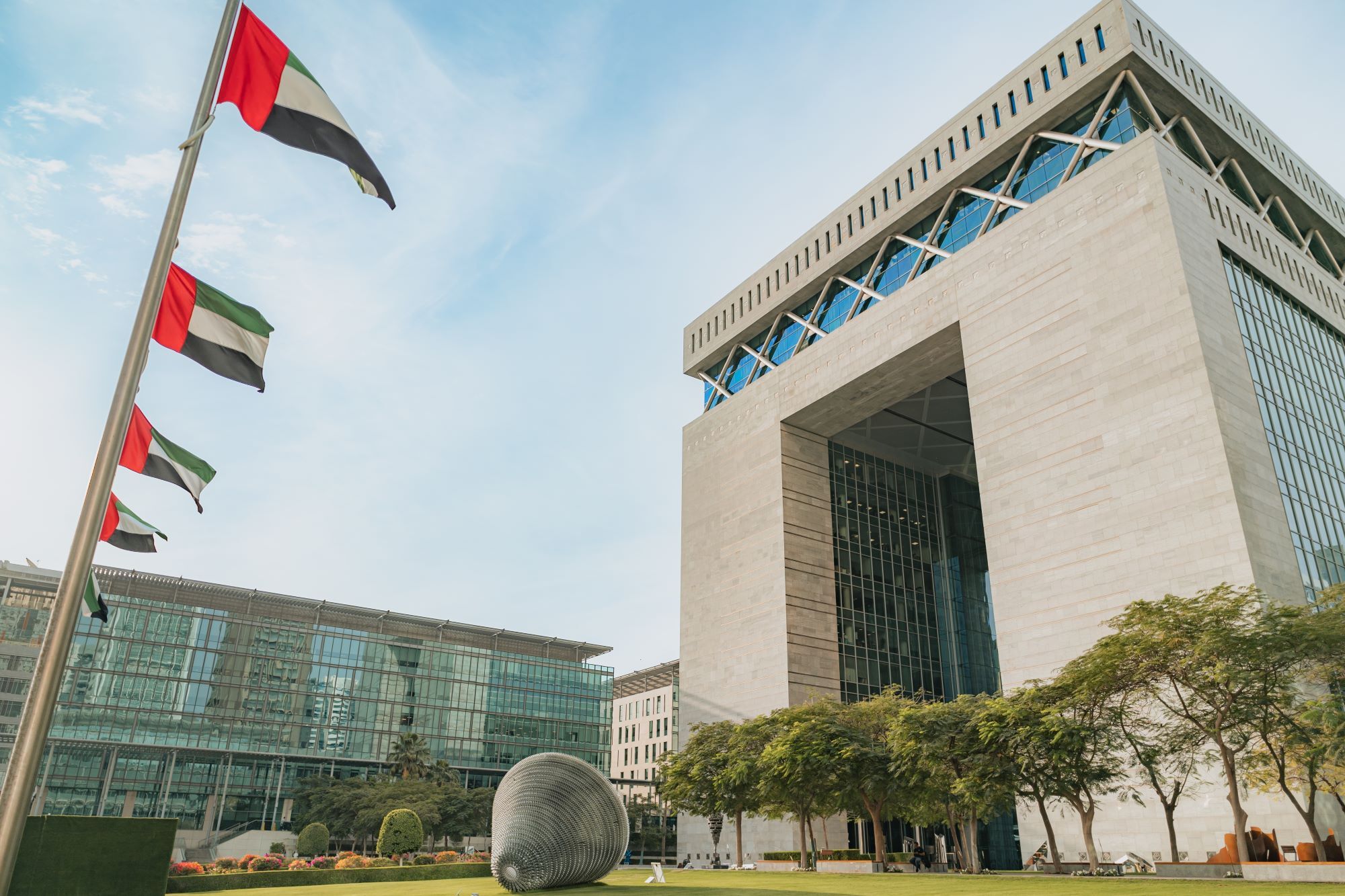
Sotheby’s, for its part, has been taking its saleroom to the places where its collectors live. In December 2025 the house held its inaugural Abu Dhabi Collectors’ Week, whose auctions on Saadiyat Beach brought a combined $133.4 million, with bidders from 35 countries. It is a city where collectors already have a great deal to see, from Louvre Abu Dhabi to the new Natural History Museum on the same island.
In the end, an auction sets a public price on a particular evening. The longer story belongs to the painting itself, and to the people who looked after it along the way: a Viennese couple commissioning a portrait of their daughter, a collector in New York keeping it for forty years, and six bidders who, one November evening, would not let it go.