Published: 06 May 2026
It can be all too easy to think of luxury real estate in terms of larger rooms, higher ceilings, and broader views. In Abu Dhabi, those qualities still matter, but they are increasingly considered alongside how well a home supports everyday living.
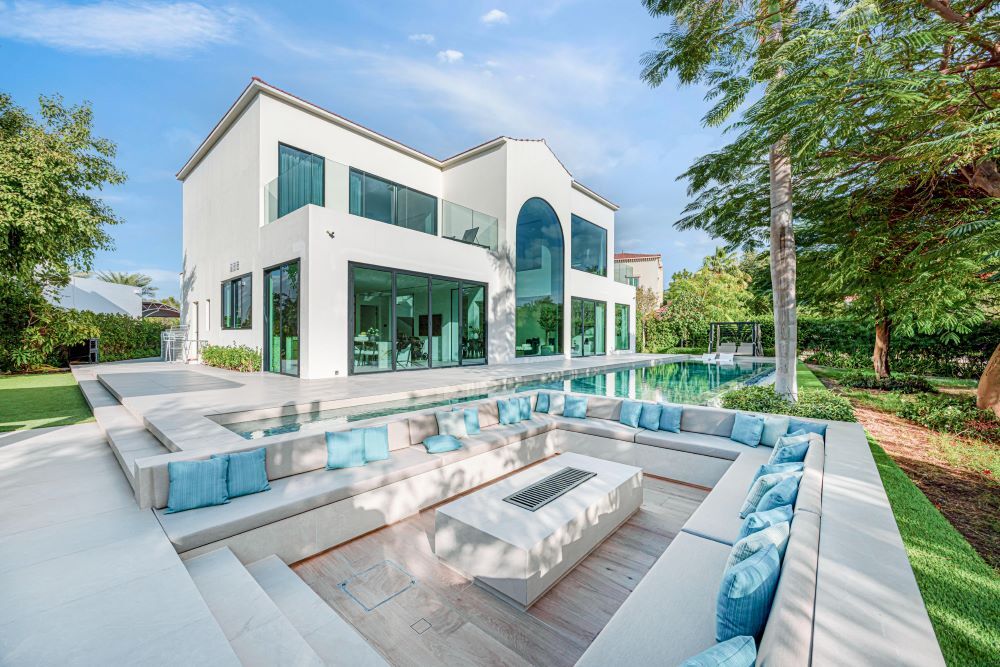
Wellness real estate in Abu Dhabi reflects a more considered approach. It focuses on the practical details that shape daily comfort: clean air, natural light, calm interiors, access to open space, and the ability to move through the day with ease. For buyers who lead full, demanding lives, these qualities are becoming central to how a home is chosen.The sanctuary home is not simply a place to retreat at the end of the day. At its best, it supports a steadier sense of balance throughout daily life. This is where wellness-focused living in Abu Dhabi becomes most apparent, in how homes are designed to support routine as much as they offer visual appeal.
What is Wellness Real Estate?
A single feature does not define a well-considered wellness development. It is shaped by how the environment is designed as a whole, from the quality of air, light, materials and acoustics within the home, to spaces for movement and quiet within the building, and the wider setting of nature and walkable surroundings.
Taken together, this creates a home that does more than look refined. It supports daily life in a calmer, more consistent way, making routines easier to sustain over time.
This is where wellness-focused living in Abu Dhabi becomes most evident, in how these elements come together to shape everyday living.
The Core Pillars of Wellness Living
Design That Supports the Body
A well-considered home should make daily life feel easier, not more demanding. In wellness-led residences, this begins with the physical environment, where small details are given proper weight.
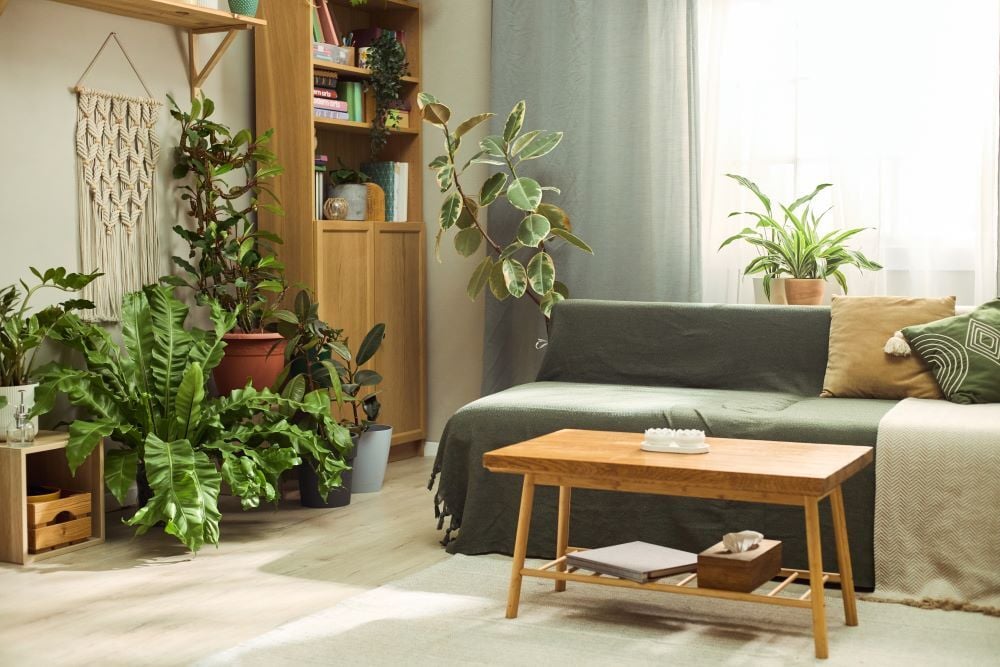
Natural light is allowed to move through the space across the day. Air circulates more freely through considered ventilation, helping the home feel fresh without effort. Materials such as stone, timber and marble introduce warmth and texture, while careful acoustic treatment softens external noise, something that becomes particularly valuable in an urban setting.
These elements shape how a home is experienced over time. From early mornings to late evenings, the environment remains consistent, allowing the body to settle into a steady rhythm. Comfort, in this context, comes from reliability, how quietly and consistently the home supports everyday living.
Connection to Nature
Wellness living often extends beyond the home itself. In Abu Dhabi, this is especially evident in residential environments that are closely tied to the coast, mangroves, and open landscapes.
This connection is embedded in the layout of communities. Direct access to beaches, water-facing views, shaded walking routes, and landscaped outdoor areas form part of the daily setting, rather than separate destinations. Homes that open onto terraces or gardens reinforce this relationship, allowing indoor and outdoor spaces to feel connected.
At Fahid Island, more than 30 percent of the master plan is dedicated to natural space. This gives the environment a constant presence, shaping how residents move through the day and encouraging time outdoors without requiring deliberate effort.
Amenities with Real Purpose
The role of amenities has evolved in subtle ways. What matters is how naturally they fit into daily routines.
In Abu Dhabi’s leading wellness developments, spaces for movement, recovery, and rest are integrated into the wider environment. Hydrotherapy pools, yoga pavilions, meditation gardens, cycling routes, and outdoor fitness zones are positioned to be used regularly, rather than occasionally.
At SHA Residences in Al Jurf, this approach becomes more structured. Residents have access to an on-site wellness clinic offering tailored nutrition, fitness, and therapeutic programmes within a private island setting.
Over time, this changes how wellness is experienced. It becomes part of everyday life, supported by the environment rather than dependent on individual effort.
What Daily Life Looks Like in a Wellness Home
The value of wellness real estate is best understood through the rhythm of the day. Mornings tend to begin gently, with natural light moving through the room rather than the abrupt glare of artificial lighting. There is no real need to leave the neighbourhood to start well. A walk along a shaded path, a short cycle, or a quiet swim often sits just a few minutes from the front door.
As the day unfolds, the home continues to play its part. The air feels clean, the temperature remains even, and outside noise is softened to a distant presence. These are not details that call attention to themselves, but they shape how the space is experienced over time. A home that maintains a steady atmosphere makes long days feel more manageable, even when nothing obvious has changed.
Evenings bring a slower pace. Time settles into smaller, quieter moments, a terrace overlooking the water, a walk through landscaped paths, or simply a room where light and materials create a sense of calm. The home remains in the background, supporting the shift from activity to rest.
Over time, this consistency becomes part of daily life. Routines settle naturally, and the environment carries more of the effort, allowing living to feel more considered without requiring constant intention. This is where wellness-focused living in Abu Dhabi becomes most tangible, experienced through everyday life.
Abu Dhabi’s Emerging Wellness Destinations
Fahid Island: Coastal Wellbeing at Scale
Positioned between Yas Island and Saadiyat Island, Fahid Island reflects a clear shift in how large-scale communities are being planned in Abu Dhabi.
The island is organised around open space and movement. Long stretches of beachfront, mangrove landscapes and ecological zones are integrated into the layout, alongside cycling routes that connect to the wider city network. A pedestrian-first approach shapes how residents move through the area, with shaded walkways and access to green space within short distances of each home.
Fahid Island is recognised as the world’s first Fitwel-certified island, with additional LEED Cities and Communities Platinum pre-certification. These frameworks provide a measurable standard for health, environmental performance and overall liveability, giving structure to what might otherwise remain a design concept.
SHA Residences, Al Jurf: A Structured Approach to Wellbeing
Set between Abu Dhabi and Dubai, SHA Residences takes a more structured and clinical approach to wellness living.
The development combines fully serviced residences with expansive terraces, natural materials and access to a dedicated wellness clinic. Programmes extend beyond general fitness, incorporating medical consultation, personalised nutrition and longevity-focused therapies, all designed to sit alongside daily routines.
This creates a residential environment where support is present but unobtrusive. Residents can engage with it as needed, allowing wellness to become part of everyday life without requiring constant effort or planning.
Saadiyat and Jubail: A Quieter Pace of Living
Saadiyat Island and Jubail Island appeal to buyers who place value on space, access to nature, and a more measured lifestyle.
On Saadiyat, residential life is set alongside cultural landmarks and protected coastal environments. Beaches, museums, and low-density planning contribute to a setting that feels established, while remaining closely connected to the city.
Jubail Island is shaped around its mangrove ecosystem and low-density planning, with large areas deliberately left undeveloped to preserve the natural landscape. The result is a setting where privacy, space, and the surrounding environment play a central role in daily life.
Together, these locations show that wellness in Abu Dhabi is shaped in different ways, depending on setting, from structured, clinic-led environments to quieter, nature-based living.
The Investment Case for Wellness Real Estate
For investors, wellness real estate introduces a slightly different way of looking at value. Rather than focusing only on short-term performance, attention tends to shift towards how consistently a property remains desirable over time.
Homes designed with comfort, space, and environmental quality in mind often attract a more stable, long-term tenant and buyer profile. In practical terms, this can support steadier occupancy and reduce turnover.
In Abu Dhabi, where large-scale development is increasingly shaped around liveability, these qualities are becoming part of how premium assets are judged. What matters is not simply the presence of individual features, but how well the overall environment works in everyday use.