Published: 2 November 2026
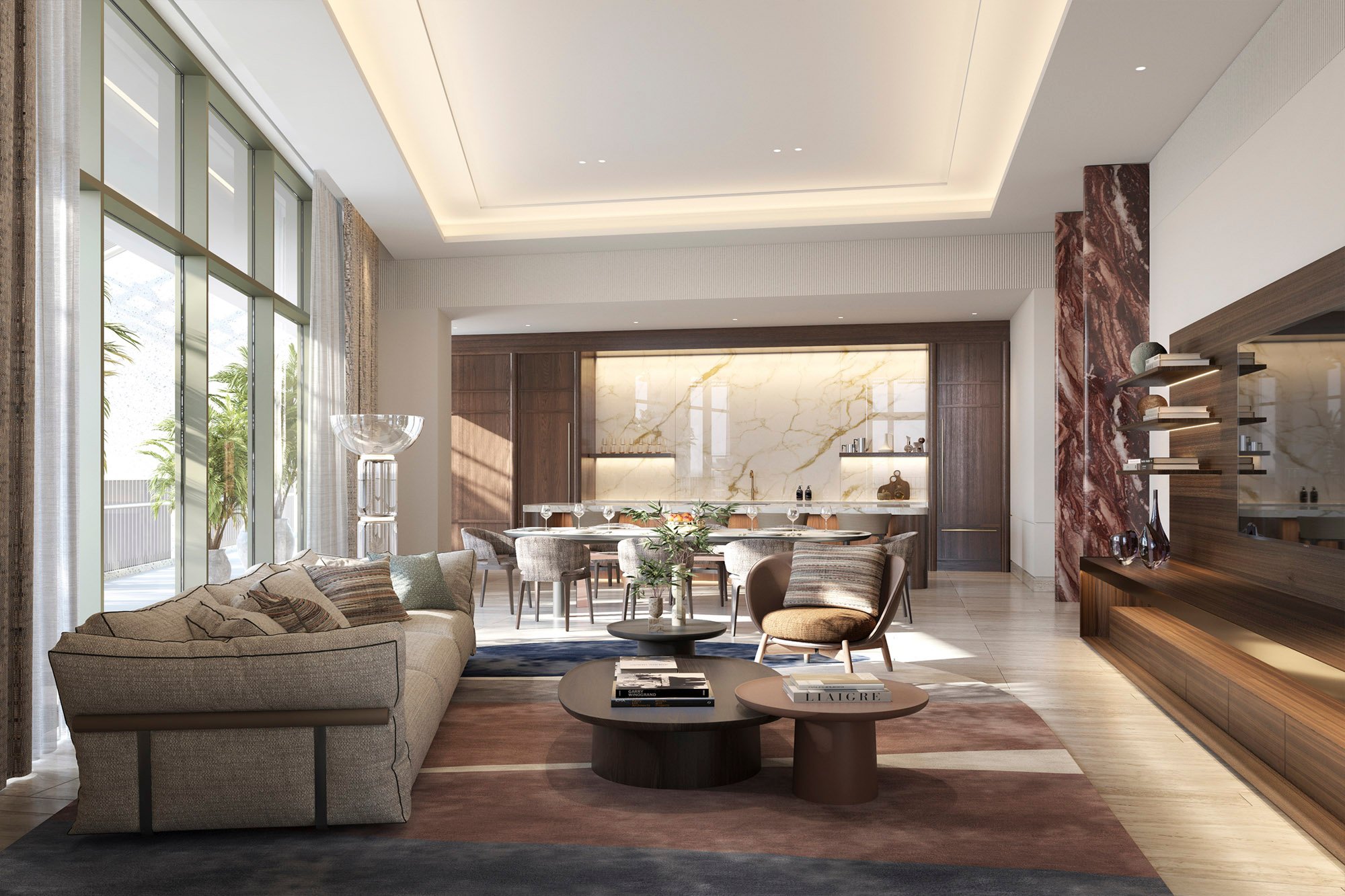
Before an owner flies back to Four Seasons Private Residences DIFC, someone will have stocked the fridge. The same team will have kept an eye on the apartment while it stood empty and, if asked, arranged the private jet or seen to the dog. It is, admittedly, a homely list. Yet it says more about the appeal of branded homes than any marble lobby could, because what many buyers in Dubai are paying for is the knowledge that a home will be properly looked after when they are not in it.
Dubai has more of these addresses than anywhere else. Figures from the consultancy Global Branded Residences, reported by Arabian Business this October, put the city’s total at 184 branded residential projects, 68 of them complete and 116 still to come. Miami, in second place, has 85. The same research found that branded homes in the Middle East and North Africa sold, on average, for 59 per cent more than comparable unbranded ones (the joint highest premium of any region).
That figure, it should be said, is an average of past sale prices rather than a forecast, and it tells us nothing about any one building. It does suggest that buyers have come to value something beyond square footage. The more interesting question is what they are getting for the money.
Three Kinds of Name
Broadly speaking, branded residences in Dubai now come in three forms, and the differences matter more than the brochures tend to admit.
The oldest is the hotel-operated residence, in which a hospitality group runs the building to its own standards, usually with a hotel close at hand. Then there is the licensed name. A fashion house, jeweller or carmaker lends its identity and, often, its approach to design, while responsibility for running the building lies elsewhere. At Palm Hills in Dubai Hills Estate, Emaar worked with Elie Saab on the villa interiors; at Bugatti Residences in Business Bay, the automotive marque collaborated with developer Binghatti. Dubai Sotheby’s International Realty has listed individual homes in both. The newer model is the developer’s own brand, built up from one project to the next until the name carries a reputation of its own.
None of these is better by nature. Each makes a different promise, and a buyer would do well to know which one is on offer.
Service in the Financial District
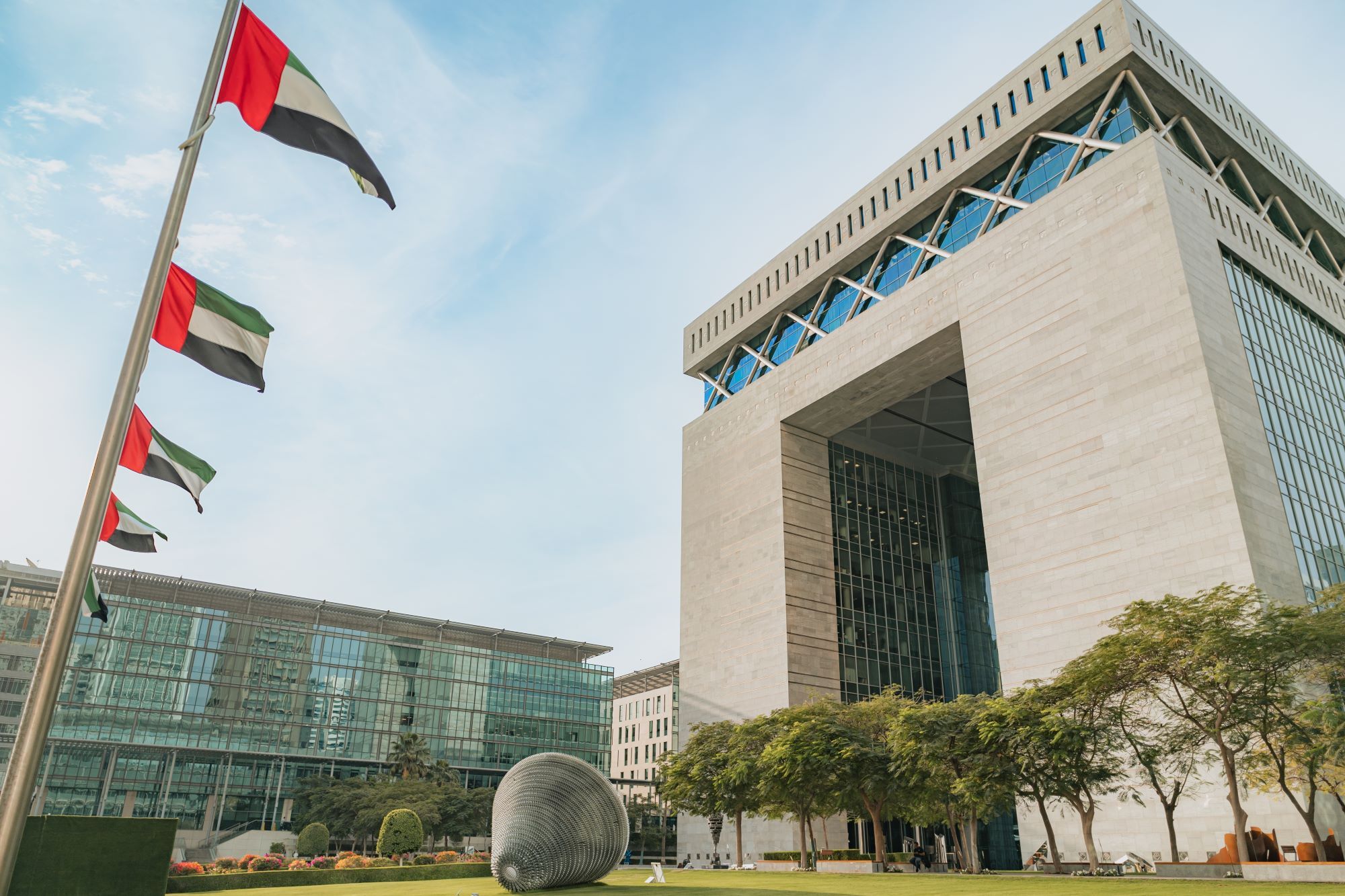
Four Seasons Private Residences DIFC is the clearest example of the first kind. Designed by Sir David Chipperfield, and with interiors by Tihany Design, it will hold 61 residences and two penthouses within a short walk of Gate Village and the existing Four Seasons Hotel DIFC.
Some of its most telling details are, fittingly, the least visible. Secondary glazing keeps out the noise of the district, while floating floors stop footsteps carrying from one home to the next. There is a room set aside for deliveries and another, with a small kitchen, where drivers can wait. None of this will appear in a photograph. In a busy financial quarter, it is what separates a flat that is merely well finished from one that is pleasant to live in.
A Low-Rise View of the Sea
At Dubai Harbour, The Residences at The Dubai Beach EDITION approach the same question from the shore. Here the buildings rise to nine storeys rather than ninety, with architecture by RSHP and interiors by Rockwell Group. Homes of two to four bedrooms open onto terraces through full-height glazing, and residents have the use of a private beach.
The appeal, in this case, has less to do with errands than with how a day is spent. For a family that would like to walk from the terrace to the sand without crossing a road, it will feel quite unlike a tower in DIFC, even though both carry the name of a hotel group.
A Name of Its Own
Eden House Za’abeel belongs to the third category. Eden House is the residential brand of H&H, the same developer behind Four Seasons Private Residences DIFC, which makes the comparison between the two instructive. The Dubai practice DXB Lab designed the building, with interiors by Tristan Auer and landscape design by Vladimir Djurovic, and its 252 homes sit behind a façade of textured concrete. Inside, the materials soften into stone mosaic, marble, plaster and timber. Much of the shared space, meanwhile, is given over to courtyards and a wellness suite rather than to the services of a hotel.
What a buyer relies on here is not an international operator but the developer’s own record. In a brand this young, that record is still being written.
After the Keys
The quality of a branded residence becomes apparent long after the initial purchase. Experienced buyers look closely at the management agreement, the responsibilities of the operator and the provisions should that arrangement change. Annual service charges deserve equal scrutiny, particularly the distinction between services included in the fee and those billed separately, together with the reserves allocated for major maintenance. For completed properties, the Dubai Land Department's service charge index provides a useful point of comparison. With off-plan purchases, the developer's previous projects and the proposed management arrangements become especially important.
Scarcity adds another dimension to the attraction of branded residences, particularly for buyers who value privacy and a limited residential community. At Four Seasons Private Residences DIFC, just 61 residences and two penthouses offer an unusually small residential collection in the heart of the financial district. Along the waterfront, The Residences at The Dubai Beach EDITION comprises 165 homes across four low-rise buildings, with access to a private beach. In both cases, the limited number of homes forms part of the attraction, alongside qualities such as generous proportions, desirable outlooks and the privacy afforded by their settings.
Beyond the Initial Promise
As Dubai’s branded residential market matures, its newest developments will eventually be assessed alongside homes that have been occupied for years. By then, buyers will have more to consider than architectural drawings and the reputation of a familiar name. The condition of the building, the cost of maintaining it and the standard of service residents have actually received will offer a more reliable basis for comparison.
This matters particularly in a market where so many new addresses are still to come. A brand may establish expectations from the outset, but it is the years after handover that reveal whether those expectations were justified. For the next buyer, that record may prove more persuasive than the name itself.