Published: 7 October 2026
On 28 March 2026, Magnitude won the 30th Dubai World Cup at Meydan. Trained by Steve Asmussen and ridden by José Ortiz, the American-bred colt defeated Japan’s Forever Young by a length in the US$12 million Group 1 race. In that brief finish, bloodline and speed converged with years of training, regulation and travel.
Such meetings give modern Thoroughbred racing much of its character. Racecourses, stud farms and royal patronage preserve a long heritage, but competition across borders relies on identity and health documents, drug testing, performance rankings and local rules. The calendar is shared, though no single institution controls it.
Ownership offers entry into this network, but a racehorse is not an alternative asset in the conventional sense. It is a living, high-risk holding, with substantial costs and no assured return. Understanding the sport therefore begins with the line between international co-ordination and local control.
A Sport Governed Across Borders
The International Federation of Horseracing Authorities brings together more than 60 racing organisations. Its International Agreement on Breeding, Racing and Wagering provides common ground on matters essential when a horse travels, including stud-book recognition, prohibited substances, veterinary certification, race grading and reciprocal sanctions.
The IFHA is influential, but it is not a global regulator. Licensing, investigations and disciplinary decisions remain with national or regional authorities. Its work allows a Group 1 classification, export certificate or laboratory finding to be recognised beyond its jurisdiction of origin.
The Longines World’s Best Racehorse Rankings place performances from different countries on a common scale. Compiled by handicappers from racing jurisdictions, they help compare form worldwide. A high rating may increase interest among breeders, but it cannot settle commercial value. Pedigree, soundness, conformation, progeny and timing still shape that judgement.
British Racing and Newmarket
Royal Ascot and the Derby at Epsom are among British racing’s most visible occasions, yet each is staged by its racecourse operator. Behind them sits the British Horseracing Authority, the sport’s governing and regulatory body. It enforces the Rules of Racing, licenses participants and racecourses, oversees integrity and welfare, and helps shape the fixture list.
Appointed chief executive in March 2026, Brant Dunshea reached the role through integrity and regulation. His brief reflects the balance modern racing must strike between a historic calendar and anti-doping controls, betting integrity, participant safeguarding and lifelong care for horses.
At Newmarket, that framework enters the town’s daily rhythm. Jockey Club Estates, rather than the BHA, manages 2,500 acres of training grounds on Newmarket Heath. Horses moving between yards and gallops along purpose-built walks are not picturesque remnants, but part of the working traffic.
This cluster depends on training grounds, horse walks, yards, studs and open land remaining connected. The West Suffolk Local Plan therefore protects sites and routes important to racing. Such policies may limit development, but cannot guarantee the future value of every training establishment or country house.
Dubai Racing Club and Godolphin
Established in 1992, Dubai Racing Club organises the winter season at Meydan. Opened in 2010, Meydan replaced Nad Al Sheba Racecourse. Its 1.6-kilometre grandstand accommodates more than 60,000 spectators and overlooks a 2,400-metre turf course and a 1,750-metre dirt track.
The Dubai World Cup meeting closes the season. Nine races carry combined prize money of US$30.5 million, including six Group 1 contests and US$12 million for the principal race. Beyond the purse, its importance comes from bringing dirt and turf horses trained under different systems to Meydan on the same day.
Godolphin carries Dubai’s presence through the racing year. Founded by Sheikh Mohammed bin Rashid Al Maktoum and headquartered in the emirate, it operates across four continents, with horses trained in Dubai, Britain, France, Ireland, the United States, Australia and Japan. Around 2,500 racehorses, stallions and breeding stock form the wider operation.
That scale rests on breeding farms, training yards, gallops and the people who care for the horses. Godolphin is a racing and breeding enterprise, separate from the bodies that stage and regulate the sport. Dubai Racing Club runs the meeting, the Emirates Racing Authority governs racing in the UAE, and Godolphin breeds and races horses.
The Hong Kong Jockey Club
Racing, wagering and philanthropy sit unusually close together in Hong Kong. Formed in 1884 as a membership club to promote racing, the Hong Kong Jockey Club now combines racecourse entertainment and club membership with licensed sports wagering, the Mark Six lottery and charitable funding within a not-for-profit organisation.
During 2024/25, customers staked HK$320.3 billion across its wagering and lottery activities. That year, the Club contributed HK$39.1 billion to the community: HK$30.1 billion in duties, profits tax and Lotteries Fund contributions, and HK$9 billion in approved charitable donations. These figures reveal its civic and economic scale more reliably than the cachet of membership.
Its reach extends beyond Sha Tin and Happy Valley. Commingling opens Hong Kong betting pools to overseas audiences through more than 70 partners across 26 countries and jurisdictions. Romantic Warrior has won Group 1 races in Hong Kong, Australia, Japan and Dubai, while December’s international meeting brings visiting horses to Sha Tin. The connections extend well beyond the private club.
The Jockeys Who Connect the Calendar
Across retained rides, individual bookings and international meetings, jockeys provide the calendar’s human link. They move between rule books, weighing rooms, climates and surfaces, often on schedules tighter than those of the horses they ride. Their work demands tactical judgement, exceptional balance and continual weight management, although the financial arrangements are less uniform than talk of large private retainers suggests.
British professional riders receive a fee for each ride and a defined share of prize money. Flat jockeys generally receive about seven per cent of advertised win prize money and 2.61 per cent for a place. Some work under private retainers, but the terms are rarely disclosed and are not a standard global arrangement.
The Longines World’s Best Jockey Award measures performance in the 100 highest-rated Group or Grade 1 races, with points for first-, second- and third-place finishes. James McDonald claimed the 2025 title for the third time; Ryan Moore has won it four times. José Ortiz’s victory on Magnitude shows how one ride can connect careers developed far apart.
Mobility brings risk. At the International Conference for the Health, Safety and Welfare of Jockeys in Hong Kong in December 2025, discussion covered performance medicine, concussion, injury prevention and recovery. The conference is a forum for research and shared practice, rather than a licensing authority or professional guild.
Racing Land and Long-Term Use
Set within Kentucky’s Bluegrass country, Keeneland Race Course holds spring and autumn meetings close to Lexington’s working horse farms. Across Fayette County, the Purchase of Development Rights programme has permanently protected 314 farms covering nearly 33,529 acres. Racing’s historical roots are therefore tied to land that must remain useful for agriculture.
The region’s limestone-derived soils support fertile pasture, but no geology can guarantee a stronger Thoroughbred. For a farm buyer, soil quality belongs beside drainage, water, safe fencing, suitable barns, road access and restrictions on future building. A recognised address cannot compensate for land that fails its daily purpose.
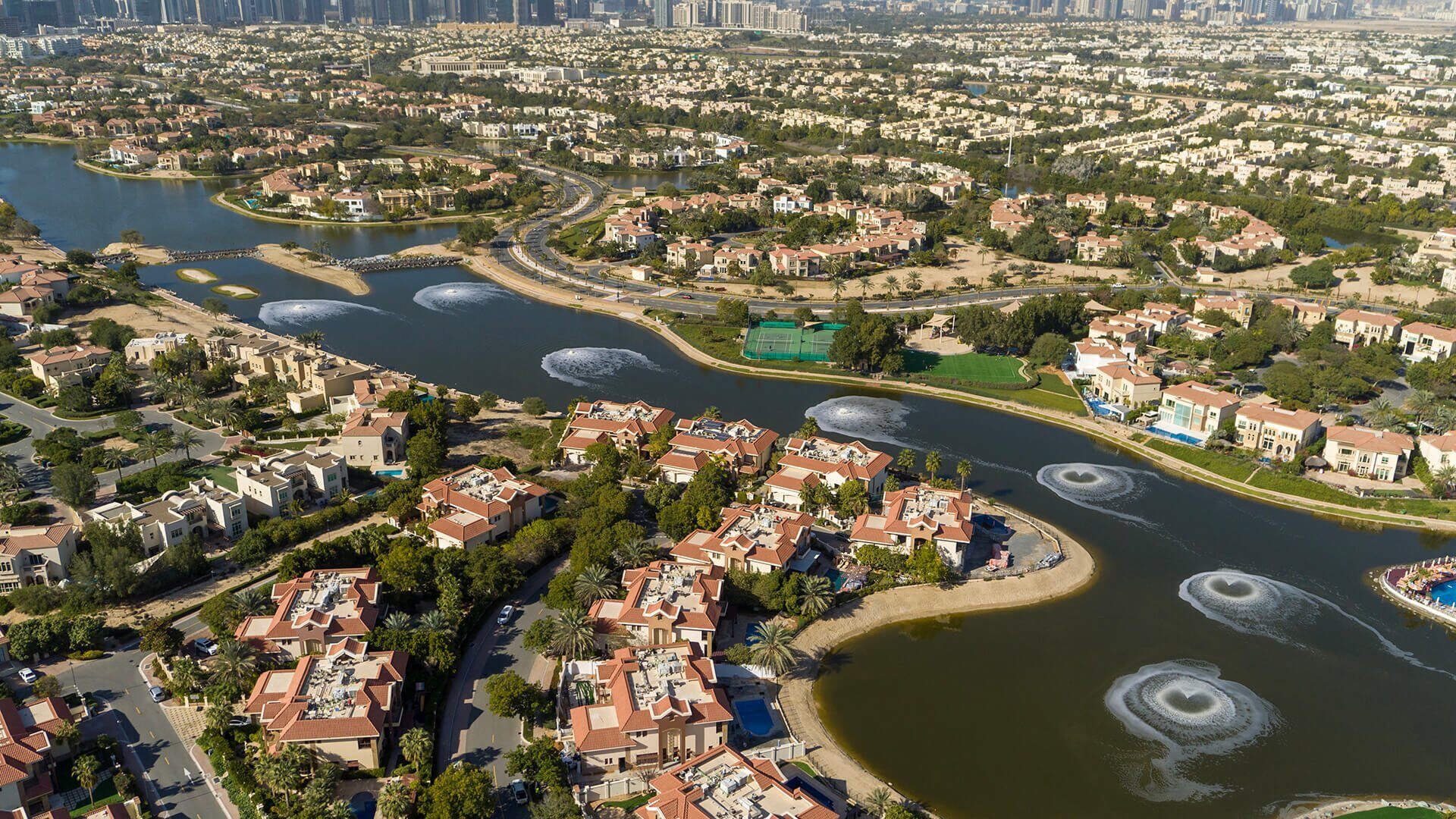
Meydan provides the urban counterpart. Its 67-million-square-foot racecourse district places a working sporting venue within a wider part of Dubai shaped by homes, hotels and business premises. The setting differs markedly from Newmarket Heath or Kentucky’s Bluegrass farms, although the practical requirement remains much the same. Racing needs tracks, stables, training grounds and space for the daily care of horses.
Here, the global network returns to solid ground. Horses and jockeys may travel between jurisdictions, but the sport remains dependent on particular places and the people who maintain them. Newmarket, Lexington and Dubai differ in history and form, yet each sustains an essential part of racing’s working life.